
Contact Robert Melton, Esq. or submit a business inquiry online.
Intellectual Property
-
AI in Drug Discovery: IP, Regulatory Validation, and Licensing Considerations
- September 25, 2026
- Posted by: allan
- Categories: AI & Technology Law, Healthcare Law, Intellectual Property
No CommentsAI is transforming drug discovery, but it raises complex legal questions around patent inventorship, FDA regulatory validation, and licensing agreement structure. This post works through all three systematically for biotech companies, pharma licensors, and their counsel.
-
Shadow AI in the Workplace: Recording Consent, Privilege Waiver, and Trade Secret Risks
- September 2, 2026
- Posted by: allan
- Categories: AI & Technology Law, Data Privacy & Cybersecurity, Employment Law, Intellectual Property

Employees using unauthorized AI notetakers and consumer-tier AI tools create overlapping legal exposures for employers — from recording consent violations and privilege waiver to trade secret compromise and spoliation risk. This post explains each risk and what a compliant AI workplace policy must address.
-
Digital Identity and AI: How to Protect Your Brand, Voice, and Likeness from AI-Generated Replicas
- August 20, 2026
- Posted by: allan
- Categories: AI & Technology Law, Intellectual Property

A practical legal guide for businesses on protecting brand identity, executive voices, and likenesses from AI-generated replicas — covering state right of publicity laws, the Lanham Act, the TAKE IT DOWN Act, FTC enforcement against deepfake endorsements, and operational steps to defend against voice cloning fraud.
-
AI Patents in 2026: Navigating Section 101 Eligibility for AI and Software Inventions
- August 19, 2026
- Posted by: allan
- Categories: AI & Technology Law, Intellectual Property
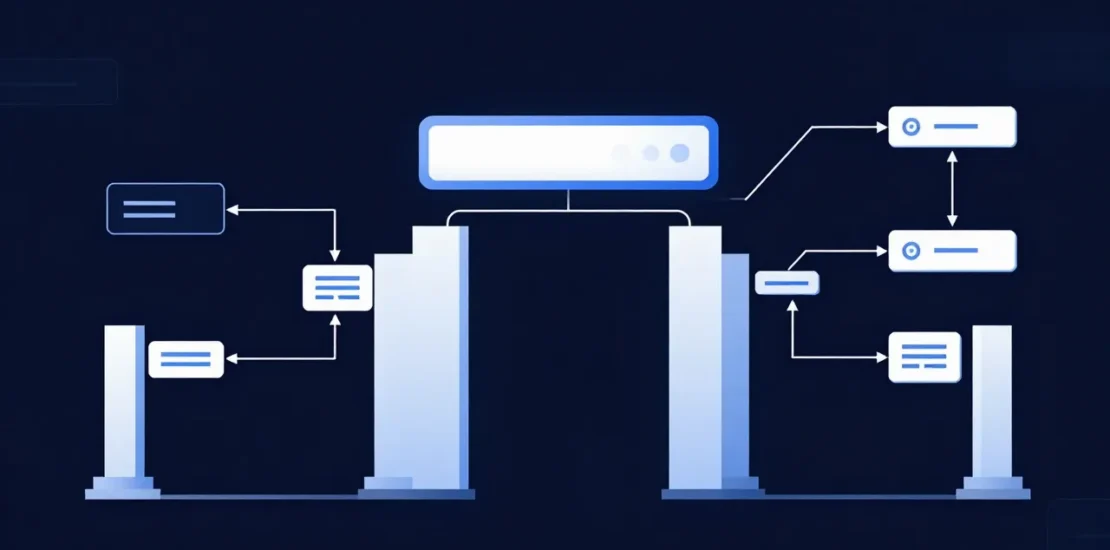
A deep dive into Section 101 patent eligibility for AI and software inventions in 2026 — covering the Alice/Mayo framework, landmark Federal Circuit rulings including Recentive Analytics v. Fox Corp., USPTO examiner guidance, claim drafting strategies, and when to pursue patents versus trade secrets.
-
Who Owns the AI-Assisted Invention? A Practical Guide for Businesses Using AI in R&D
- August 18, 2026
- Posted by: allan
- Categories: AI & Technology Law, Intellectual Property

A practical guide for businesses on who owns AI-assisted inventions — covering the USPTO’s current inventorship standard, why incorrect inventorship is dangerous, employee and contractor assignment issues, AI vendor terms of service risks, and documentation protocols for protecting R&D output.
-
AI and Patent Law: Inventorship, Prior Art, and What Businesses Must Know in 2026
- August 17, 2026
- Posted by: allan
- Categories: AI & Technology Law, Intellectual Property
This post covers the current legal framework for AI and patent law in 2026, including the human inventor requirement, USPTO guidance on AI-assisted inventions, the threat of AI-generated prior art, and Section 101 patent eligibility for AI claims — with a practical checklist for R&D teams.
-
Prompt Injection Attacks and AI Trade Secret Theft: Legal Liability and Lessons for Businesses
- August 16, 2026
- Posted by: allan
- Categories: AI & Technology Law, Data Privacy & Cybersecurity, Intellectual Property, Risk Management

Prompt injection — ranked the top LLM security risk by OWASP — has moved from a security concern to active federal litigation. This post explains the CFAA, DTSA, and negligence frameworks that govern these attacks, and what businesses must do to protect their AI systems legally and technically.
-
AI and Trade Secrets: Why Trade Secret Law Is Your Best IP Strategy for AI Assets
- August 15, 2026
- Posted by: allan
- Categories: AI & Technology Law, Intellectual Property

Patents and copyright fall short for most AI assets. Trade secret law is a better fit — it covers training data, model weights, system prompts, and architectures with no disclosure requirement and no expiration. This post explains the legal framework and gives a practical protection checklist.
-
AI Copyright Output Liability: Who Pays When the Model Infringes?
- August 14, 2026
- Posted by: allan
- Categories: AI & Technology Law, Intellectual Property, Risk Management

When AI-generated content infringes copyright, liability can fall on the model developer, the business deploying the tool, or the end user. This post maps the legal framework, compares vendor indemnification terms, and gives practical steps to reduce your exposure.
-
Getty Images v. Stability AI: What the UK and US Cases Mean for AI Image Developers and Users
- August 13, 2026
- Posted by: allan
- Categories: AI & Technology Law, Intellectual Property

A detailed breakdown of the Getty Images v. Stability AI litigation in the UK and US — what each court decided, how copyright and trademark law apply to AI image training, and what businesses using AI image tools need to do now.
-
LLM Training Data and Fair Use: What the 2024–2025 Cases Left Unresolved
- August 12, 2026
- Posted by: allan
- Categories: AI & Technology Law, Intellectual Property
A close look at the key AI copyright cases from 2024–2025 — what they actually decided and, more importantly, what questions about fair use, output infringement, and licensing markets remain unresolved for businesses deploying AI.
-
Generative AI Copyright Liability: The Piracy Problem That Fair Use Won’t Fix
- August 11, 2026
- Posted by: allan
- Categories: AI & Technology Law, Intellectual Property, Risk Management

The “AI wins on fair use” headlines missed the real story: the same court that blessed AI training on lawfully acquired books ruled that training on pirated copies is infringement — no fair use defense available. This post explains the two-step analysis courts are now applying, what the Anthropic and Meta cases revealed about shadow library use, and what due diligence questions every business deploying AI tools should be asking.
-
Copyright in AI-Generated Content: What Human Authorship Actually Requires
- August 10, 2026
- Posted by: allan
- Categories: AI & Technology Law, Intellectual Property

Does your business own the content your AI tools generate? Under current US law, the answer depends entirely on how much human creative judgment shaped the final work. This post explains what the Copyright Office and federal courts have established about human authorship requirements, how to structure AI content workflows for stronger protection, and how to document your creative contributions properly.
-
AI Training Data and Copyright: What the 2024-2025 Cases Settled and What They Left Open
- August 9, 2026
- Posted by: allan
- Categories: AI & Technology Law, Intellectual Property

The 2024–2025 AI training data copyright cases produced the first real legal answers on whether training AI models on copyrighted content is fair use — and the results are split. This post walks through the key rulings in Ross, Kadrey, Bartz, and the music cases, what they settled, and what they left open for businesses building or deploying AI.
-
Intellectual Property Audit: A Practical Checklist for Small Business Owners
- July 25, 2026
- Posted by: allan
- Categories: Business Law, Intellectual Property
Most small businesses own more intellectual property than they realize — and protect less of it than they should. An IP audit is the process of identifying, assessing, and protecting your company’s IP assets. This guide explains how to conduct one and what to do with the results.
-
Music Licensing for Businesses: What You Need to Know
- July 17, 2026
- Posted by: allan
- Categories: Business Law, Intellectual Property

Playing music in your business — whether in a retail store, restaurant, gym, or on your website — requires a license. This guide explains how music copyright works, why streaming services don’t cover business use, what performing rights organizations require, and how to get the licenses your business actually needs.
-
Non-Disclosure Agreements: Drafting, Negotiating, and Enforcing NDAs
- July 7, 2026
- Posted by: allan
- Categories: Business Law, Intellectual Property

Non-disclosure agreements are among the most commonly used — and most frequently misunderstood — business contracts. This guide explains what makes an NDA enforceable, the key provisions to include, and how to use NDAs to protect confidential information without creating legal landmines.
-
How to Protect Your Business Domain Name and Online Brand
- July 5, 2026
- Posted by: allan
- Categories: Business Law, Intellectual Property

Your domain name is a critical business asset — and it can be stolen, hijacked, or registered by a bad actor before you get to it. This guide explains how domain name rights work, how to protect your brand online, and what legal tools are available when someone else registers your name.
-
Copyright Basics for US Business Owners
- June 24, 2026
- Posted by: allan
- Categories: Business Law, Intellectual Property

Copyright protects original creative works automatically upon creation — but registration is required to sue for infringement and recover meaningful damages. This guide explains what copyright protects, what it does not, how registration works, and what business owners need to know about using others’ content.
-
Trademark Registration: A Step-by-Step Guide for Business Owners
- June 23, 2026
- Posted by: allan
- Categories: Business Law, Intellectual Property

Your brand name, logo, and tagline may be your most valuable business assets. Trademark registration with the USPTO gives you nationwide protection and the legal tools to stop infringers. This guide explains how the registration process works and what business owners need to know.
-
Trade Secret Protection for Startups and Growing Businesses
- June 22, 2026
- Posted by: allan
- Categories: Business Law, Intellectual Property
Trade secrets are often a company’s most valuable asset — and the most easily stolen. This guide explains what qualifies as a trade secret, how federal and state law protects them, and what businesses must do to preserve that protection.