
Contact Robert Melton, Esq. or submit a business inquiry online.
Attorney-Client Privilege
-
Tax Teams and AI Privilege: Why There Is Still No Bright-Line Rule
- October 20, 2026
- Posted by: allan
- Categories: AI & Technology Law, Tax & Compliance
No Comments
-
AI-Generated Documents and Work Product Protection: The 2026 Federal Court Split
- October 15, 2026
- Posted by: allan
- Categories: AI & Technology Law, Business Law
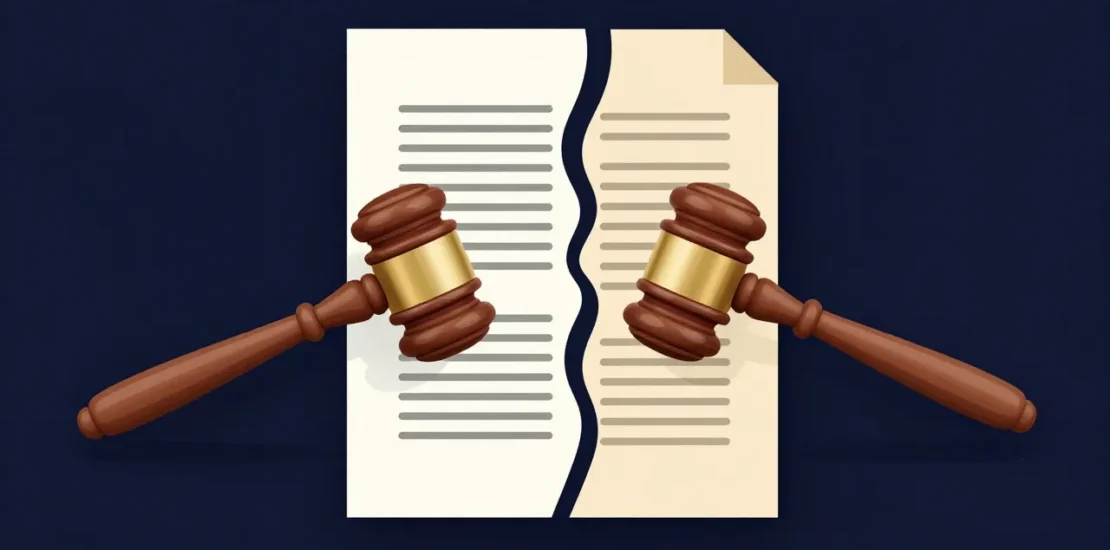
Two federal courts reached opposite conclusions in February 2026 on whether using AI tools in litigation waives work product protection. This post breaks down the Warner and Heppner decisions and offers practical guidance for structuring AI use to maximize protection.
-
Enterprise vs. Public AI Tools: Why the Distinction Is Now a Legal Privilege Issue
- October 14, 2026
- Posted by: allan
- Category: AI & Technology Law

The Heppner ruling established that the enterprise-versus-public AI distinction is not just a security question — it is a legal privilege question. The contractual terms governing your AI tools may determine whether your legal strategy is protected or discoverable.
-
The Heppner Ruling: When Using AI Can Waive Attorney-Client Privilege
- October 13, 2026
- Posted by: allan
- Category: AI & Technology Law

Judge Rakoff’s ruling in United States v. Heppner — the first federal decision on AI and attorney-client privilege — establishes that using a public AI platform to develop legal strategy destroys confidentiality and forfeits privilege protection.
-
AI Board Minutes and Corporate Records: Discovery, Privilege, and Governance Risks
- October 10, 2026
- Posted by: allan
- Categories: AI & Technology Law, Business Law

AI-powered meeting tools capture board deliberations with unprecedented fidelity — but that same fidelity creates serious discovery, privilege, and governance risks that most companies have not yet addressed.
-
Shadow AI in the Workplace: Recording Consent, Privilege Waiver, and Trade Secret Risks
- September 2, 2026
- Posted by: allan
- Categories: AI & Technology Law, Data Privacy & Cybersecurity, Employment Law, Intellectual Property

Employees using unauthorized AI notetakers and consumer-tier AI tools create overlapping legal exposures for employers — from recording consent violations and privilege waiver to trade secret compromise and spoliation risk. This post explains each risk and what a compliant AI workplace policy must address.
-
AI Notetakers and Recording Tools in the Enterprise: Wiretapping, Consent, Privilege, and Retention
- August 29, 2026
- Posted by: allan
- Categories: AI & Technology Law, Data Privacy & Cybersecurity
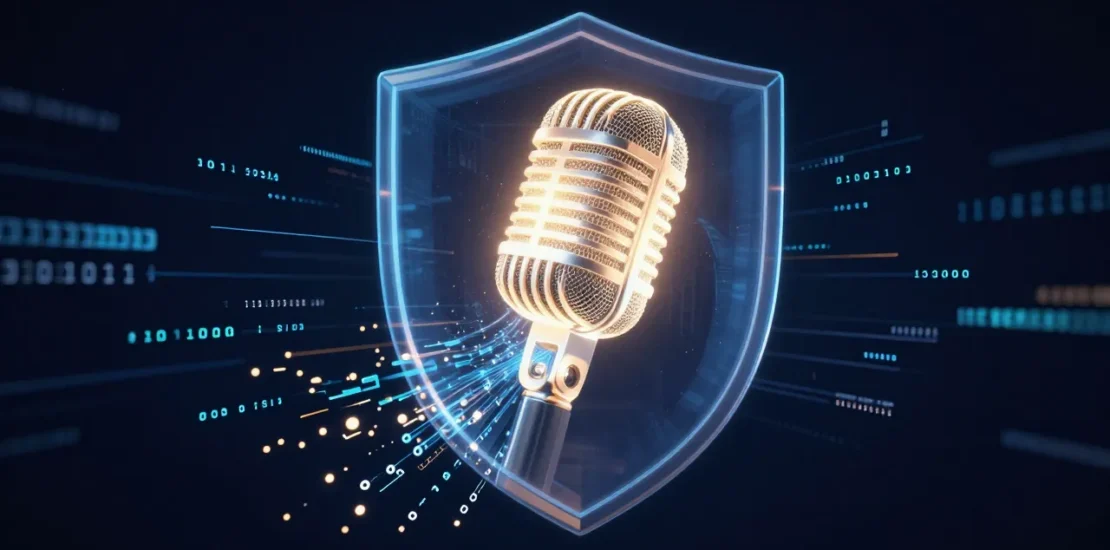
AI meeting recorders are now standard enterprise tools, but the legal risks — federal and state wiretapping exposure, attorney-client privilege waiver, trade secret leakage, and data retention liability — are far more serious than most organizations recognize. This post covers the full legal landscape and what corporate policies must address.