
Contact Robert Melton, Esq. or submit a business inquiry online.
State AI Laws
-
Comparing Neural Data Privacy Laws: What Companies Operating Across States Must Know
- November 8, 2026
- Posted by: allan
- Category: Data Privacy & Cybersecurity
No Comments
-
Connecticut’s Neural Data Law and LLM Training: The First Disclosure Requirement for AI Developers
- November 7, 2026
- Posted by: allan
- Categories: AI & Technology Law, Data Privacy & Cybersecurity

-
California’s AI in Advertising: ADMT Obligations for Marketing Technology Platforms
- October 28, 2026
- Posted by: allan
- Category: AI & Technology Law

-
AI Governance Under State ADMT Laws: Impact Assessment Requirements Across 14 States
- October 27, 2026
- Posted by: allan
- Category: AI & Technology Law
-
California SB-53 and the TFAIA: Full Compliance Guide for Frontier AI Developers
- October 26, 2026
- Posted by: allan
- Category: AI & Technology Law

-
New York RAISE Act Updated: Aligning with California on Frontier AI Governance
- October 25, 2026
- Posted by: allan
- Category: AI & Technology Law

-
Virginia’s High-Risk AI Act: What Developers and Deployers Must Know
- October 24, 2026
- Posted by: allan
- Category: AI & Technology Law

-
Colorado’s New AI Law: From CAIA to CADMA and What Businesses Must Do by January 2027
- October 23, 2026
- Posted by: allan
- Category: AI & Technology Law

-
Texas TRAIGA: Prohibited Practices, AG Enforcement, and the NIST Safe Harbor
- October 22, 2026
- Posted by: allan
- Category: AI & Technology Law

-
Connecticut’s Omnibus AI Law (SB 5): Compliance Guide for Employers, Platforms, and Developers
- October 21, 2026
- Posted by: allan
- Categories: AI & Technology Law, Employment Law
-
New York’s Algorithmic Pricing Disclosure Act: A Compliance Roadmap
- October 6, 2026
- Posted by: allan
- Categories: AI & Technology Law, Business Law

New York’s Algorithmic Pricing Disclosure Act is already in effect, requiring businesses to display mandated language whenever AI algorithms use personal data to set individualized prices. This post is a step-by-step compliance guide covering scope, exemptions, enforcement, and the antitrust exposure that runs alongside the disclosure obligation.
-
Tennessee’s AI Mental Health Law: What Chatbot Developers and Digital Health Companies Must Know
- September 16, 2026
- Posted by: allan
- Categories: AI & Technology Law, Healthcare Law

Tennessee’s AI Mental Health Law bans marketing chatbots as licensed mental health professionals and creates a private right of action. Here is what the law requires, where it sits in the national patchwork, and what digital health companies must do now.
-
Oregon and Washington Chatbot Disclosure Laws: Compliance Guide for Multi-State Businesses
- September 5, 2026
- Posted by: allan
- Category: AI & Technology Law
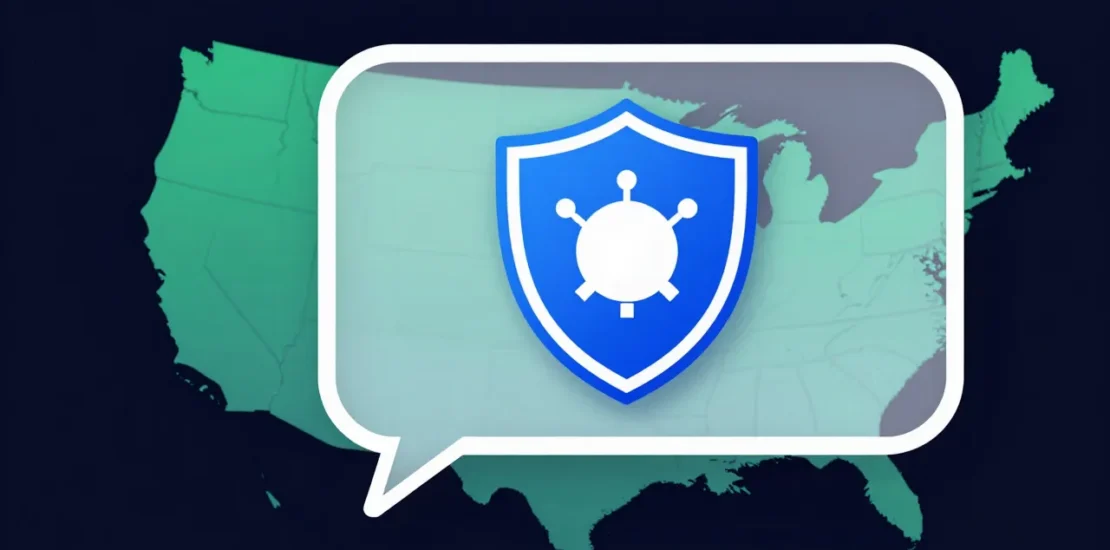
Oregon SB 1546 and Washington HB 2225 take effect January 1, 2027, creating new chatbot disclosure, minor protection, and crisis protocol requirements. Here is what multi-state businesses need to know to comply.
-
California Worker AI Displacement Act: Employer Compliance and Litigation Risk
- September 4, 2026
- Posted by: allan
- Categories: AI & Technology Law, Employment Law

California SB 951 would require 90 days’ advance notice before AI displaces workers, with detailed disclosures and back pay penalties for noncompliance. The causation ambiguity at the bill’s center will generate significant litigation — and the document preservation obligations run backward into the AI procurement phase.
-
California AI Employment Regulations: What Employers Must Do Under the New CCRC Rules
- August 30, 2026
- Posted by: allan
- Categories: AI & Technology Law, Employment Law

California’s Civil Rights Council regulations on AI employment discrimination took effect October 1, 2025, creating binding obligations for any employer with five or more California employees using automated decision systems in hiring, promotion, or any employment decision. This post explains who is covered, what bias testing and risk assessments are required, and the seven steps employers must take now to comply.
-
State AI Laws in the US: What Businesses Need to Know
- June 2, 2026
- Posted by: allan
- Category: AI Law
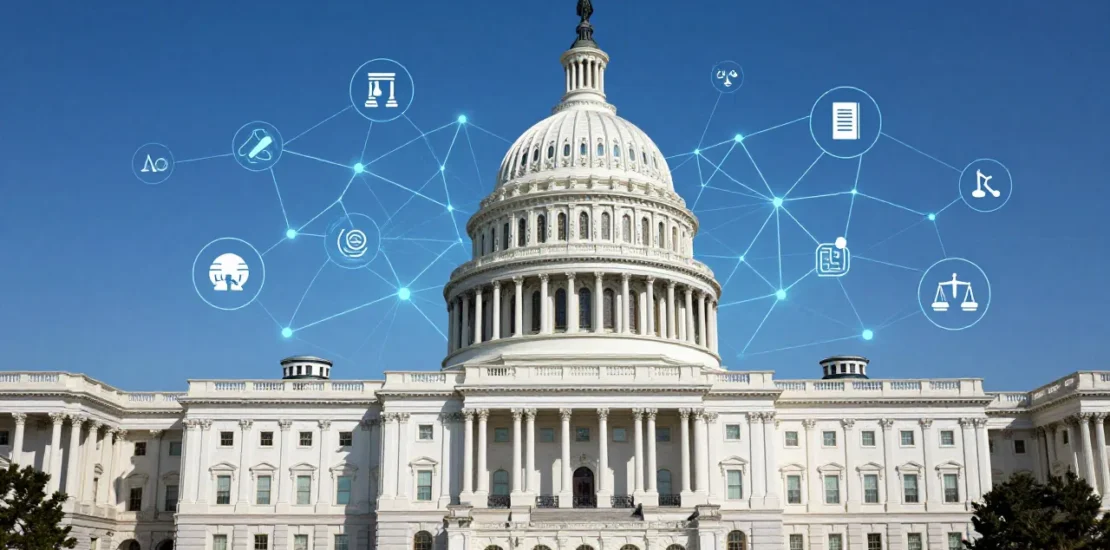
In the absence of a comprehensive federal AI law, states are filling the gap. Colorado, Texas, Illinois, and others have enacted or proposed AI-specific legislation that could affect how your business develops and uses AI systems. Here is what you need to know.