
Contact Robert Melton, Esq. or submit a business inquiry online.
Product Liability
-
Neurotechnology Cybersecurity: Attack Vectors and Product Liability for Neural Device Makers
- November 6, 2026
- Posted by: allan
- Categories: Data Privacy & Cybersecurity, Risk Management
No Comments
-
Bias in AI Medical Devices: FDA Training Data Requirements and Product Liability Implications
- September 21, 2026
- Posted by: allan
- Categories: AI & Technology Law, Healthcare Law, Risk Management

Only 3.6% of FDA-cleared AI medical devices reported race or ethnicity data from their validation cohort. This post examines what FDA now requires for training data representativeness, and the product liability exposure manufacturers face when demographic bias causes patient harm.
-
When the Algorithm Is the Defect: AI Recommendation Systems and Design Defect Claims
- August 7, 2026
- Posted by: allan
- Categories: AI & Technology Law, Risk Management

A new theory of product liability has emerged and is winning in court: the recommendation algorithm itself is the defective product. This post examines the legal landscape, from the social media MDL to the first jury verdict, and what it means for businesses deploying AI-driven recommendation and personalization systems.
-
Is Your AI a Defective Product? How Product Liability Law Applies to AI Systems
- August 6, 2026
- Posted by: allan
- Categories: AI & Technology Law, Risk Management

Courts are allowing product liability claims against AI developers to proceed, bipartisan federal legislation would classify AI systems as defective products, and the EU has already done so by statute. This post explains the three product liability theories — design defect, manufacturing defect, and failure to warn — and what they mean for businesses that build or deploy AI.
-
AI Liability: Who Is Responsible When AI Causes Harm?
- May 29, 2026
- Posted by: allan
- Category: AI Law
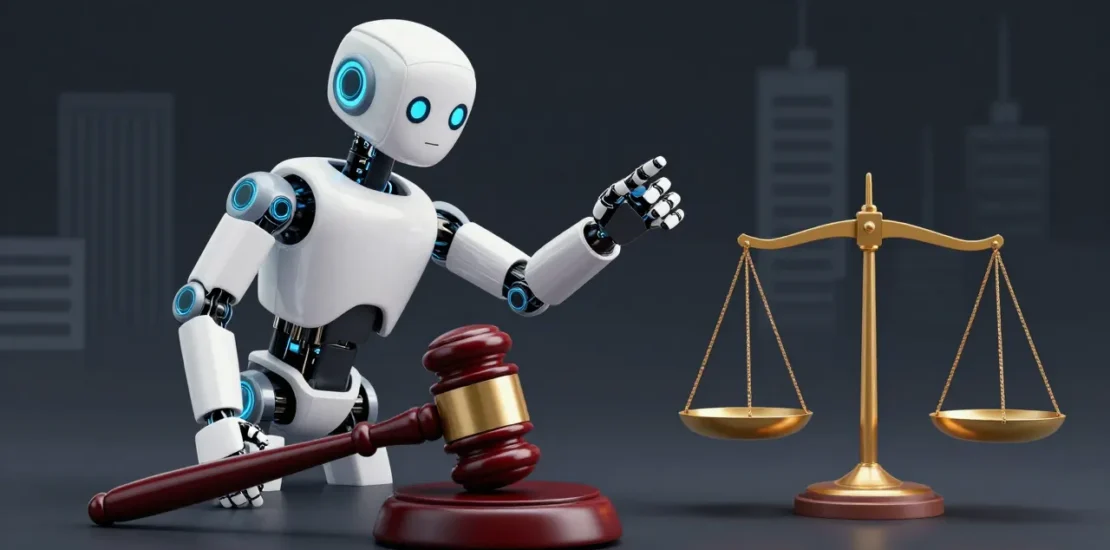
When an AI system makes a bad decision or causes harm, determining who is legally responsible is complicated by the technology’s novelty and complexity. This guide explains how existing liability law applies to AI and what businesses using AI systems need to know.