
Contact Robert Melton, Esq. or submit a business inquiry online.
Litigation
-
AI Expert Witnesses and Court-Ordered Disclosure: What Litigators Need to Know
- October 19, 2026
- Posted by: allan
- Categories: AI & Technology Law, Business Law
No CommentsA federal magistrate judge in Connecticut ordered an expert witness to produce the AI prompts she used in preparing her report — the first ruling of its kind. This post analyzes the Conservation Law Foundation decision, its Daubert implications, and what litigators must do now to protect and challenge AI-assisted expert testimony.
-
Can a Judge Use AI? The Ethics Lines Courts Are Drawing
- October 18, 2026
- Posted by: allan
- Categories: AI & Technology Law, Business Law

Can a judge use AI to research cases or draft opinions? Courts are drawing ethics lines in real time. This post surveys Ohio’s 2026 AI Ethics Guide, Arizona’s first-in-nation judicial technology competence rule, California’s institutional policy mandate, and what the emerging framework means for litigators.
-
The Duty of AI Competence: How Bar Associations Are Rewriting What It Means to Practice Law
- October 17, 2026
- Posted by: allan
- Categories: AI & Technology Law, Business Law
Bar associations across the country are making AI literacy a core element of professional competence. This post surveys ABA Formal Opinion 512, Ohio’s detailed 2026 AI Ethics Guide, and guidance from California, Florida, Texas, and New York — with practical implications for both attorneys and business clients.
-
Federal Court AI Disclosure Rules: A Litigator’s Guide to Varying Requirements
- October 16, 2026
- Posted by: allan
- Categories: AI & Technology Law, Business Law
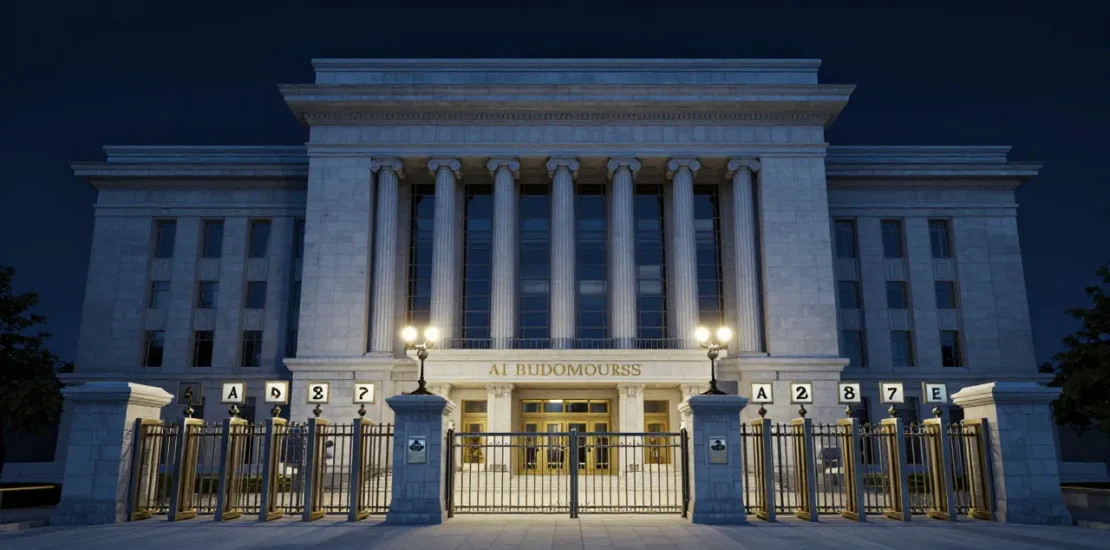
Over 300 federal judges have AI disclosure requirements in 2026, but no two rules are exactly alike. This post maps the three models courts have adopted — mandatory certification, outright prohibition, and Rule 11 silence — and provides a practical compliance framework for multi-jurisdiction litigators.
-
AI-Generated Documents and Work Product Protection: The 2026 Federal Court Split
- October 15, 2026
- Posted by: allan
- Categories: AI & Technology Law, Business Law
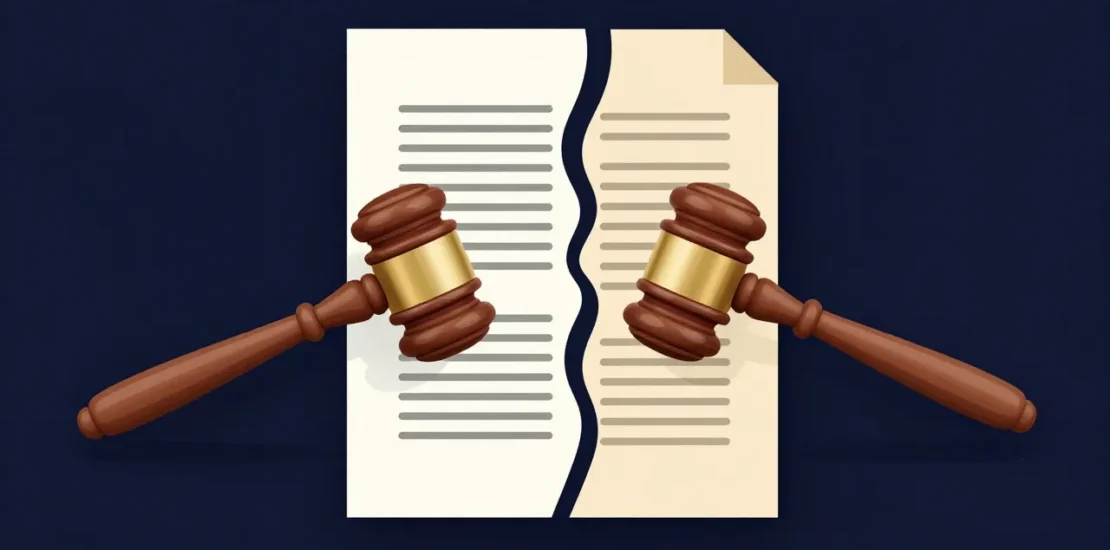
Two federal courts reached opposite conclusions in February 2026 on whether using AI tools in litigation waives work product protection. This post breaks down the Warner and Heppner decisions and offers practical guidance for structuring AI use to maximize protection.
-
Managing AI Governance Risks as Courts Expand Scrutiny of Corporate Decision-Making
- October 9, 2026
- Posted by: allan
- Categories: AI & Technology Law, Business Law

Delaware’s Caremark doctrine — the board’s duty to oversee mission-critical risks — is being applied to AI governance as courts expand their scrutiny of corporate AI decision-making. This post explains what a legally defensible board-level AI governance structure must include in 2026 and what the liability exposure looks like when it is absent.
-
When AI Decides Medical Necessity: The Pennsylvania AG’s Lawsuit and What It Signals for Every Health AI Platform
- September 10, 2026
- Posted by: allan
- Categories: AI & Technology Law, Healthcare Law
The Pennsylvania AG’s lawsuit against Character.AI for unauthorized practice of medicine signals a new enforcement era for health AI platforms. Here’s what the action means for every company building AI systems that touch clinical decisions or coverage determinations.
-
California Worker AI Displacement Act: Employer Compliance and Litigation Risk
- September 4, 2026
- Posted by: allan
- Categories: AI & Technology Law, Employment Law

California SB 951 would require 90 days’ advance notice before AI displaces workers, with detailed disclosures and back pay penalties for noncompliance. The causation ambiguity at the bill’s center will generate significant litigation — and the document preservation obligations run backward into the AI procurement phase.
-
AI Chatbot Wrongful Death Litigation: What the First Lawsuits Mean for Developers and Deployers
- August 4, 2026
- Posted by: allan
- Categories: AI & Technology Law, Risk Management

The first wrongful death lawsuits against AI chatbot companies — Garcia v. Character Technologies and Raine v. OpenAI — have produced rulings that treat AI apps as defective products, reject Section 230 as a shield for AI-generated content, and impose heightened duties of care when minors are involved. This post explains what those decisions mean for businesses that build or deploy conversational AI.
-
Website Tracking, AI, and Privacy Class Actions: The New Theories Plaintiffs Are Using
- August 3, 2026
- Posted by: allan
- Categories: AI & Technology Law, Data Privacy & Cybersecurity

Class action plaintiffs are using decades-old wiretapping and video privacy statutes to target businesses that deploy session replay tools, tracking pixels, and AI-powered analytics. This post maps the legal theories, key cases, circuit splits, and practical compliance steps every business with a website should understand.
-
The Lawsuit You Didn’t See Coming: AI Class Action Exposure from Routine Deployment Decisions
- August 2, 2026
- Posted by: allan
- Category: AI & Technology Law
Routine technology decisions — deploying chatbots, session replay tools, tracking pixels, and behavioral analytics — have become the basis for class action lawsuits under CIPA, VPPA, BIPA, and Washington’s MHMDA. This post explains the legal theories driving these cases, which deployment decisions carry the most risk, and what practical steps businesses can take to reduce exposure.