
Contact Robert Melton, Esq. or submit a business inquiry online.
AI Law
-
AI Bias and Discrimination Law: Legal Risks for Businesses Using AI
- June 27, 2026
- Posted by: allan
- Category: AI Law
No Comments
AI systems trained on historical data can reproduce and amplify patterns of discrimination. When that happens in employment, lending, housing, or healthcare, it creates real legal liability. This guide explains the anti-discrimination framework that applies to AI and what businesses must do.
-
Generative AI in the Workplace: Legal Considerations for Employers
- June 15, 2026
- Posted by: allan
- Categories: AI Law, Business Law

Employees are using generative AI tools at work whether or not their employers have policies about it. This guide explains the legal risks employers face when employees use generative AI and what workplace AI policies should address.
-
AI in Healthcare: HIPAA, FDA Oversight, and Legal Considerations
- June 6, 2026
- Posted by: allan
- Categories: AI Law, Healthcare Law

Artificial intelligence is transforming healthcare delivery, clinical decision-making, and administrative operations — but it also creates a complex legal environment. This guide explains the key legal frameworks that govern AI in healthcare, including HIPAA, FDA regulation, and liability.
-
State AI Laws in the US: What Businesses Need to Know
- June 2, 2026
- Posted by: allan
- Category: AI Law
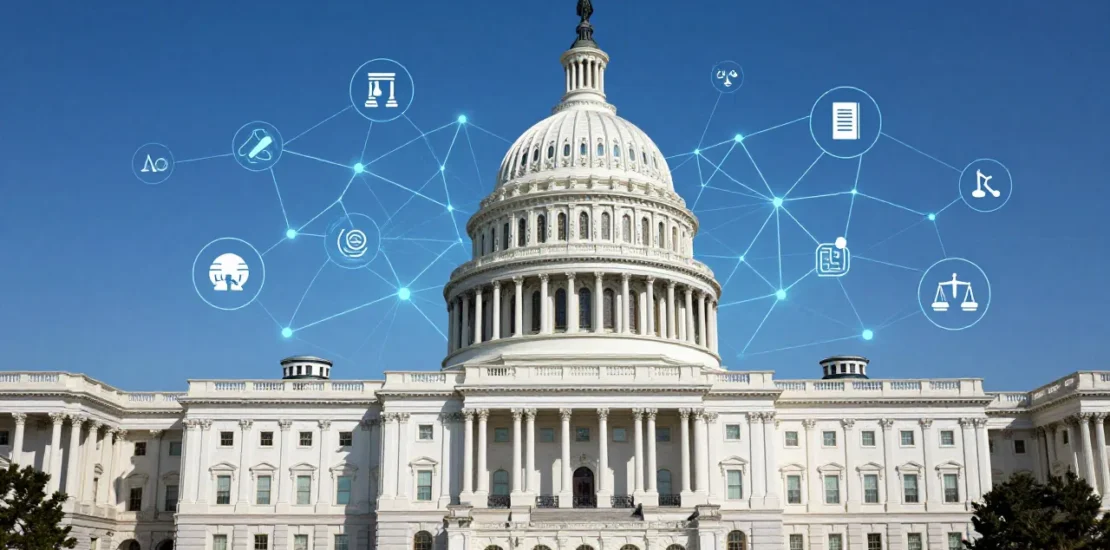
In the absence of a comprehensive federal AI law, states are filling the gap. Colorado, Texas, Illinois, and others have enacted or proposed AI-specific legislation that could affect how your business develops and uses AI systems. Here is what you need to know.
-
AI Liability: Who Is Responsible When AI Causes Harm?
- May 29, 2026
- Posted by: allan
- Category: AI Law
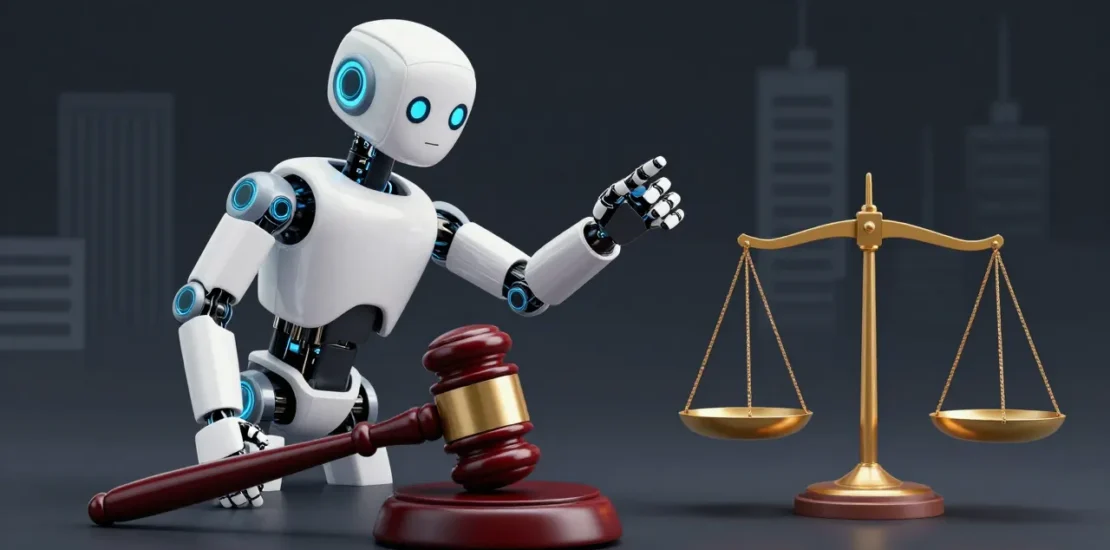
When an AI system makes a bad decision or causes harm, determining who is legally responsible is complicated by the technology’s novelty and complexity. This guide explains how existing liability law applies to AI and what businesses using AI systems need to know.
-
AI and Intellectual Property: Who Owns AI-Generated Content?
- May 24, 2026
- Posted by: allan
- Category: AI Law
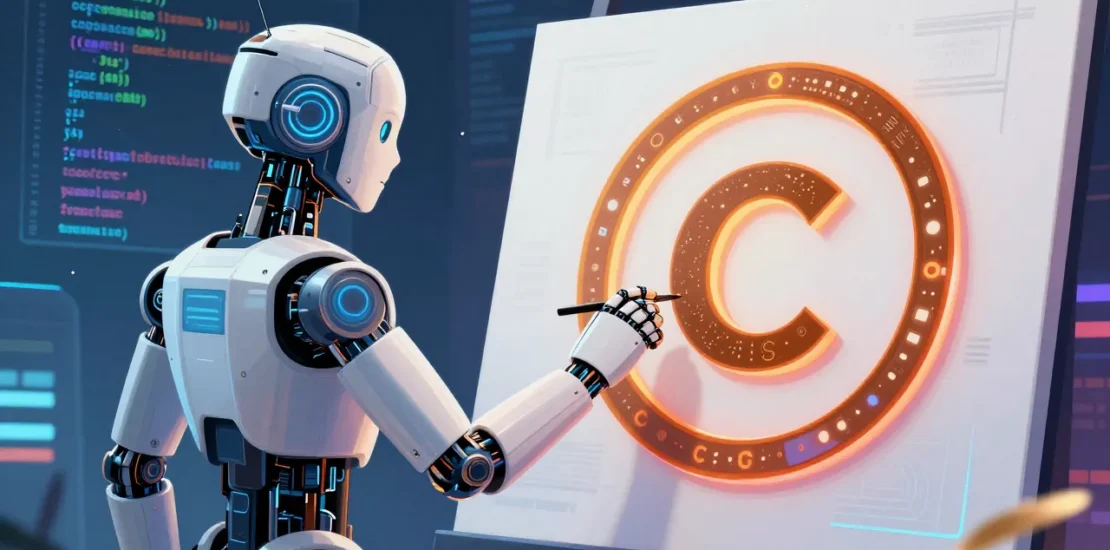
When an AI system writes your marketing copy, generates your product images, or drafts your legal documents, a critical question arises: who owns what was created? This guide explores the unsettled intellectual property landscape around AI-generated content.
-
AI Contracts: Key Terms Every Business Should Negotiate
- May 19, 2026
- Posted by: allan
- Category: AI Law

Businesses deploying AI tools are signing agreements that allocate risks, limit remedies, and shape their legal exposure in ways they may not fully understand. This guide explains the contract provisions that matter most when you buy or license an AI product.