

Contact Robert Melton, Esq. or submit a business inquiry online.
Blog
-
AI and Informed Consent in Clinical Settings: The Black Box Disclosure Problem
- September 12, 2026
- Posted by: allan
- Category: Uncategorized
No Comments
When AI assists clinical diagnosis, the physician faces a two-sided liability trap — and a black box they may not be able to explain to patients. This post examines the informed consent doctrine, malpractice exposure, and algorithmic bias risks that every health system deploying AI diagnostic tools must address.
-
Remote Patient Monitoring: Privacy, Liability, and Unauthorized Practice of Medicine in AI-Powered Wearables
- September 11, 2026
- Posted by: allan
- Category: Uncategorized
AI-powered wearables and remote monitoring platforms face a complex web of legal risks spanning HIPAA, the FTC Health Breach Notification Rule, state consumer health data laws, and unauthorized practice of medicine doctrine. This post maps the compliance architecture every operator in this space needs to build.
-
When AI Decides Medical Necessity: The Pennsylvania AG’s Lawsuit and What It Signals for Every Health AI Platform
- September 10, 2026
- Posted by: allan
- Category: Uncategorized

The Pennsylvania AG’s lawsuit against Character.AI for unauthorized practice of medicine signals a new enforcement era for health AI platforms. Here’s what the action means for every company building AI systems that touch clinical decisions or coverage determinations.
-
AI Ambient Scribes in Healthcare: False Claims Act Risks from AI-Generated Medical Records
- September 9, 2026
- Posted by: allan
- Category: Uncategorized

AI ambient scribes are generating clinical notes at scale — but AI hallucinations, documentation cloning, and systematic upcoding create serious False Claims Act exposure. This post explains the FCA risk landscape and the compliance framework every health system needs before deploying ambient AI.
-
AI De-Identification in Healthcare: When Masking and Synthetic Data Are Not Enough
- September 8, 2026
- Posted by: allan
- Category: Uncategorized

Pseudonymization is not HIPAA de-identification. AI-generated synthetic data is not automatically outside HIPAA’s scope. This post explains what de-identification actually requires under HIPAA and where common AI healthcare data practices fall short.
-
Population Health AI and HIPAA: Four Lawful Pathways for Using Patient Data
- September 7, 2026
- Posted by: allan
- Category: Uncategorized
HIPAA does not prohibit using patient data for AI-powered population health analytics — but it requires a lawful pathway. This post walks through the four available options: BAA-covered aggregation, shared vendor platforms, de-identification, and the TPO exception, with the real limits of each.
-
AI in Healthcare Contracting: Key Provisions Every BAA and Vendor Agreement Must Address
- September 6, 2026
- Posted by: allan
- Category: Uncategorized

Standard BAAs and SaaS vendor agreements were not built for clinical AI. This post covers the eight contract provisions healthcare organizations must negotiate before deploying AI tools that handle protected health information.
-
Oregon and Washington Chatbot Disclosure Laws: Compliance Guide for Multi-State Businesses
- September 5, 2026
- Posted by: allan
- Category: Uncategorized
Oregon SB 1546 and Washington HB 2225 take effect January 1, 2027, creating new chatbot disclosure, minor protection, and crisis protocol requirements. Here is what multi-state businesses need to know to comply.
-
California Worker AI Displacement Act: Employer Compliance and Litigation Risk
- September 4, 2026
- Posted by: allan
- Category: Uncategorized

California SB 951 would require 90 days’ advance notice before AI displaces workers, with detailed disclosures and back pay penalties for noncompliance. The causation ambiguity at the bill’s center will generate significant litigation — and the document preservation obligations run backward into the AI procurement phase.
-
Shadow AI in the Workplace: Recording Consent, Privilege Waiver, and Trade Secret Risks
- September 2, 2026
- Posted by: allan
- Category: Uncategorized

Employees using unauthorized AI notetakers and consumer-tier AI tools create overlapping legal exposures for employers — from recording consent violations and privilege waiver to trade secret compromise and spoliation risk. This post explains each risk and what a compliant AI workplace policy must address.
-
The DOJ’s Disparate Impact Position and AI Hiring Tools: What Employers Must Recalibrate
- September 1, 2026
- Posted by: allan
- Category: Uncategorized

The DOJ’s 2026 opinion challenging disparate impact theory is the most significant shift in federal civil rights enforcement in a generation — but it does not eliminate employer liability for discriminatory AI hiring tools. The risk has relocated to state agencies and private plaintiffs, not disappeared.
-
AI Screening Tools and Title VII: Why Legal Risk Doesn’t Disappear When Federal Enforcement Retreats
- August 31, 2026
- Posted by: allan
- Category: Uncategorized

Federal enforcement of AI hiring bias claims has retreated, but legal exposure for employers has not. State laws are expanding, private litigation is accelerating, and the underlying federal statutes remain fully in force.
-
California AI Employment Regulations: What Employers Must Do Under the New CCRC Rules
- August 30, 2026
- Posted by: allan
- Category: Uncategorized

California’s Civil Rights Council regulations on AI employment discrimination took effect October 1, 2025, creating binding obligations for any employer with five or more California employees using automated decision systems in hiring, promotion, or any employment decision. This post explains who is covered, what bias testing and risk assessments are required, and the seven steps employers must take now to comply.
-
AI Notetakers and Recording Tools in the Enterprise: Wiretapping, Consent, Privilege, and Retention
- August 29, 2026
- Posted by: allan
- Category: Uncategorized
AI meeting recorders are now standard enterprise tools, but the legal risks — federal and state wiretapping exposure, attorney-client privilege waiver, trade secret leakage, and data retention liability — are far more serious than most organizations recognize. This post covers the full legal landscape and what corporate policies must address.
-
Key Considerations When Allowing a Vendor to Train AI Models on Your Customer Data
- August 28, 2026
- Posted by: allan
- Category: Uncategorized

Allowing a vendor’s AI to train on your customer data is not a routine data processing arrangement. This post covers the intellectual property, privacy law, competitive risk, and contract provisions businesses must address before authorizing any vendor to use customer data for AI model training or fine-tuning.
-
Global AI Regulatory Compliance in Technology Contracts: EU AI Act, China, UK, and US State Law
- August 27, 2026
- Posted by: allan
- Category: Uncategorized

The EU AI Act, China’s generative AI rules, UK data reforms, and a growing set of US state laws are now creating real enforceable obligations that affect AI technology contracts. This post translates each major regulatory framework into practical contractual guidance for businesses buying, licensing, or deploying AI-enabled services.
-
Digital Dependency Risk in AI Outsourcing: Termination, Portability, and Lock-In
- August 26, 2026
- Posted by: allan
- Category: Uncategorized

When you embed a vendor’s AI technology into your business operations, you build a dependency that can become a serious liability. This post covers vendor lock-in, concentration risk, data portability, transition assistance, and the termination provisions your contracts must include when AI is deeply embedded in your operations.
-
Vendor AI Governance: Audit Rights, Change Notifications, and Contractual Oversight
- August 25, 2026
- Posted by: allan
- Category: Uncategorized

Most outsourcing contracts contain no mechanism for overseeing vendor AI deployments — no disclosure requirements, no change notifications, no AI-specific audit rights. This post lays out the core contractual provisions needed to maintain visibility, control, and accountability when a supplier’s AI is doing work on your behalf.
-
AI Outsourcing Pricing: From FTE-Based to Outcome-Based Models
- August 24, 2026
- Posted by: allan
- Category: Uncategorized
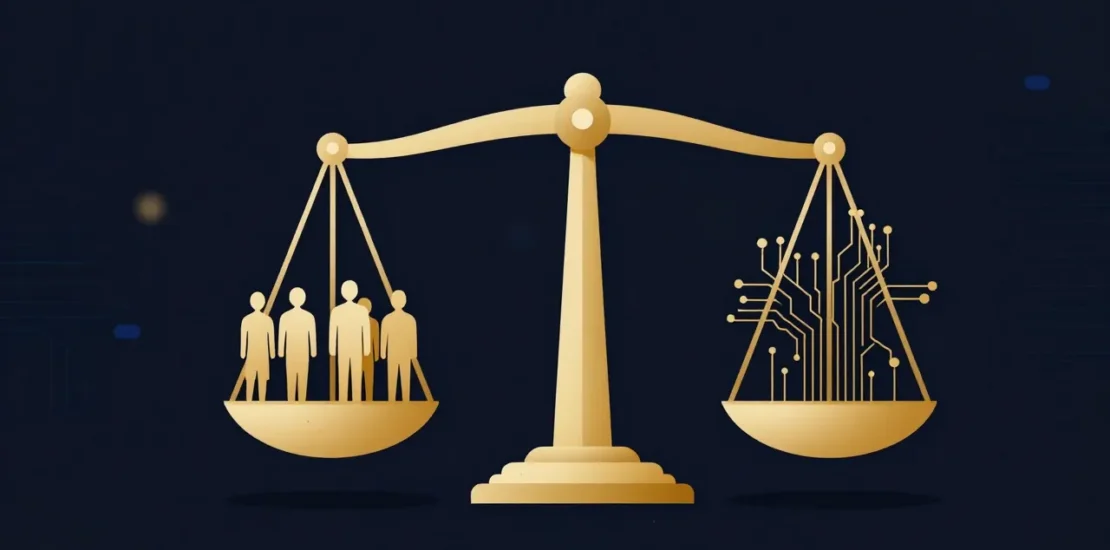
AI has broken the FTE-based outsourcing pricing model — vendors are capturing productivity gains while customers pay 2023 prices. This post explains the three-level alternative pricing structure (unit-based, performance-based, and shared risk/reward) and what makes each model legally enforceable.
-
AI Outsourcing Contracts: What to Renegotiate When AI Automates the Work You Contracted For
- August 23, 2026
- Posted by: allan
- Category: Uncategorized

Vendors are quietly capturing AI-driven cost savings while customers continue paying 2023 prices under legacy outsourcing agreements. This post explains why FTE-based contracts break down when AI automates the work, and what to renegotiate — pricing model, governance, innovation obligations, and termination rights.
-
Key Contractual Provisions for Agentic AI Implementation Agreements
- August 22, 2026
- Posted by: allan
- Category: Uncategorized
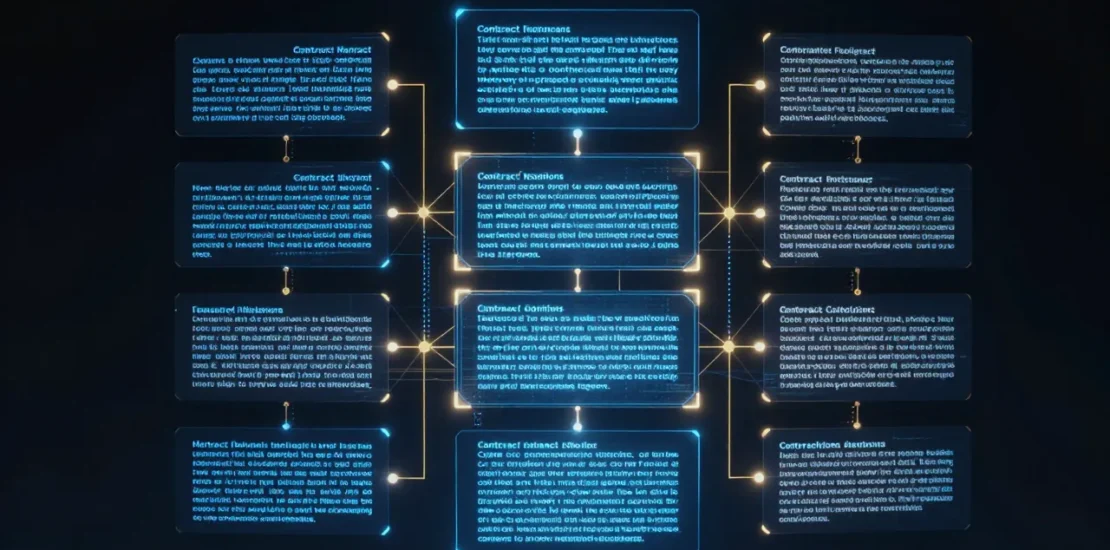
Most businesses deploying agentic AI accept vendor SaaS templates that leave critical gaps unaddressed. This post breaks down the five contractual provisions unique to agentic AI — IP ownership, data use rights, human-in-the-loop thresholds, erroneous decision liability, and regulatory change clauses — and what to push for at the negotiating table.
-
Agentic AI Contracts: Why Standard SaaS Agreements Don’t Work
- August 21, 2026
- Posted by: allan
- Category: Uncategorized

Standard SaaS agreements were designed for software users control — not for autonomous AI agents acting on your behalf. This post explains the structural gaps in traditional SaaS contracts and what a properly constructed agentic AI agreement must address.
-
Digital Identity and AI: How to Protect Your Brand, Voice, and Likeness from AI-Generated Replicas
- August 20, 2026
- Posted by: allan
- Category: Uncategorized

A practical legal guide for businesses on protecting brand identity, executive voices, and likenesses from AI-generated replicas — covering state right of publicity laws, the Lanham Act, the TAKE IT DOWN Act, FTC enforcement against deepfake endorsements, and operational steps to defend against voice cloning fraud.
-
AI Patents in 2026: Navigating Section 101 Eligibility for AI and Software Inventions
- August 19, 2026
- Posted by: allan
- Category: Uncategorized
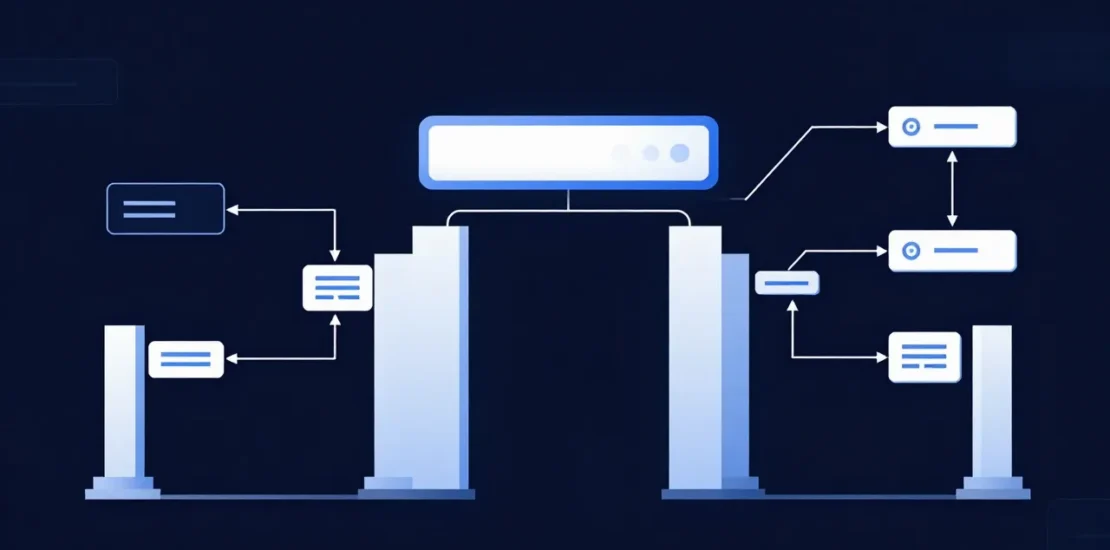
A deep dive into Section 101 patent eligibility for AI and software inventions in 2026 — covering the Alice/Mayo framework, landmark Federal Circuit rulings including Recentive Analytics v. Fox Corp., USPTO examiner guidance, claim drafting strategies, and when to pursue patents versus trade secrets.
-
Who Owns the AI-Assisted Invention? A Practical Guide for Businesses Using AI in R&D
- August 18, 2026
- Posted by: allan
- Category: Uncategorized

A practical guide for businesses on who owns AI-assisted inventions — covering the USPTO’s current inventorship standard, why incorrect inventorship is dangerous, employee and contractor assignment issues, AI vendor terms of service risks, and documentation protocols for protecting R&D output.