
Contact Robert Melton, Esq. or submit a business inquiry online.
-
CNIL Recommendations on Applying the GDPR to AI System Development
- April 26, 2026
- Posted by: rob
- Categories: AI & Technology Law, Data Privacy & Cybersecurity
No Comments
-
The SEC’s Landmark 2026 Crypto Guidance
- April 24, 2026
- Posted by: rob
- Categories: AI & Technology Law, Financial Regulation
-
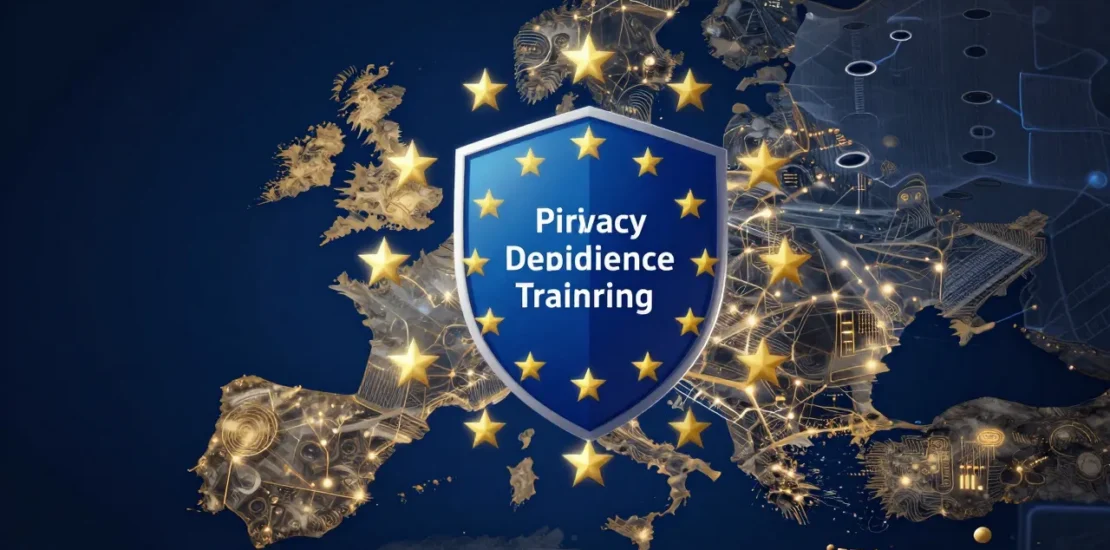
EDPB Opinion 28/2024: How GDPR Applies to AI Model Training
- April 20, 2026
- Posted by: rob
- Categories: AI & Technology Law, Data Privacy & Cybersecurity
-
Securing AI Agents: The New Frontier of Data Protection and Cybersecurity Risk
- April 15, 2026
- Posted by: rob
- Categories: AI & Technology Law, Data Privacy & Cybersecurity

-
The OWASP Top 10 for Agentic AI in 2026
- April 13, 2026
- Posted by: rob
- Categories: AI & Technology Law, Data Privacy & Cybersecurity

-
Fulfilling the Right to Delete in Agentic AI
- April 9, 2026
- Posted by: rob
- Categories: AI & Technology Law, Data Privacy & Cybersecurity
-
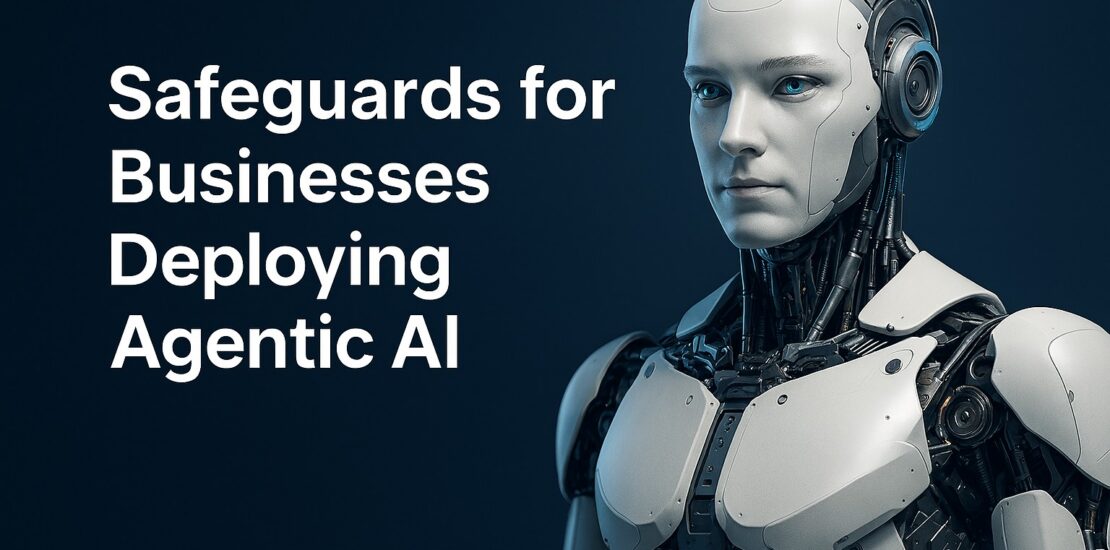
AI Governance and Compliance Safeguards for Businesses Deploying Agentic AI
- April 7, 2026
- Posted by: rob
- Category: AI & Technology Law
-
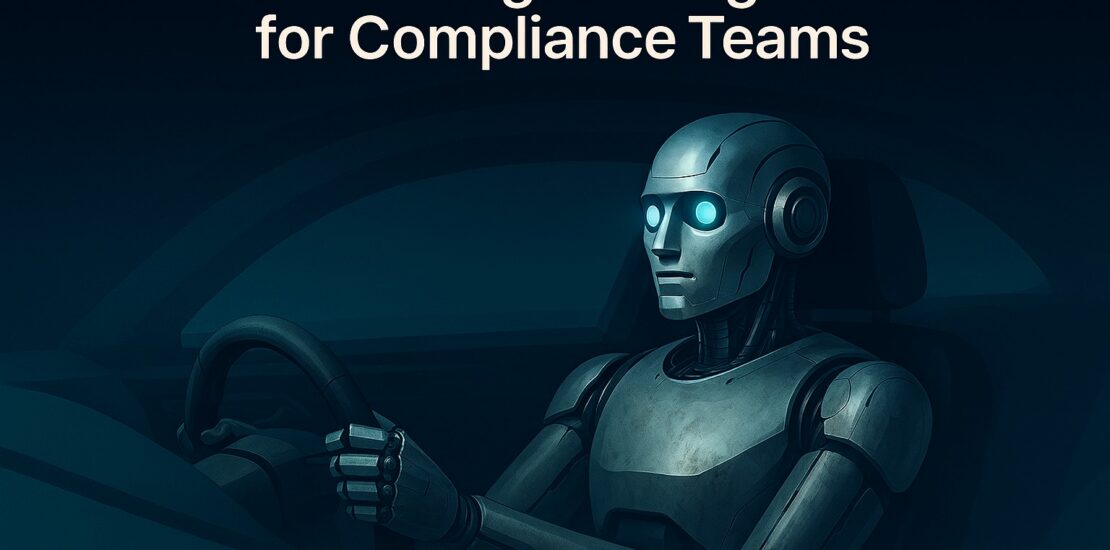
Five Challenges of Agentic AI for Compliance Teams
- April 5, 2026
- Posted by: rob
- Category: AI & Technology Law
-
Trump Administration Proposes National Policy Framework for AI
- March 26, 2026
- Posted by: rob
- Category: AI & Technology Law
-
What do US Businesses that Deploy Third-Party Generative AI need to know about the EU AI Act?
- March 25, 2026
- Posted by: rob
- Category: AI & Technology Law
-
Is Your AI a Defective Product? How Product Liability Law Applies to AI Systems
Courts are allowing product liability claims against AI developers to proceed, bipartisan federal legislation would classify AI systems as defective products, and the EU has already done so by statute. This post explains the three product liability theories — design defect, manufacturing defect, and failure to warn — and what they mean for businesses that build or deploy AI.
August 6, 2026 Read more -
Legal Liability for AI Hallucinations in Business Contexts
AI hallucinations — confidently wrong outputs from large language models — have triggered court sanctions, professional discipline, and civil liability across legal, medical, and business contexts. This post explains the negligence framework, landmark cases like Mata v. Avianca and Moffatt v. Air Canada, what AI vendor disclaimers actually cover, and what businesses must do to reduce their exposure.
August 5, 2026 Read more -
Legal Liability for AI Hallucinations in Business Contexts
When an AI system fabricates facts and your business acts on them, who bears the legal consequences?
August 5, 2026 Read more -
AI Chatbot Wrongful Death Litigation: What the First Lawsuits Mean for Developers and Deployers
The first wrongful death lawsuits against AI chatbot companies — Garcia v. Character Technologies and Raine v. OpenAI — have produced rulings that treat AI apps as defective products, reject Section 230 as a shield for AI-generated content, and impose heightened duties of care when minors are involved. This post explains what those decisions mean for businesses that build or deploy conversational AI.
August 4, 2026 Read more
