
Contact Robert Melton, Esq. or submit a business inquiry online.
AI Training Data
-
Bias in AI Medical Devices: FDA Training Data Requirements and Product Liability Implications
- September 21, 2026
- Posted by: allan
- Categories: AI & Technology Law, Healthcare Law, Risk Management
No Comments
Only 3.6% of FDA-cleared AI medical devices reported race or ethnicity data from their validation cohort. This post examines what FDA now requires for training data representativeness, and the product liability exposure manufacturers face when demographic bias causes patient harm.
-
Key Considerations When Allowing a Vendor to Train AI Models on Your Customer Data
- August 28, 2026
- Posted by: allan
- Categories: AI & Technology Law, Business Law

Allowing a vendor’s AI to train on your customer data is not a routine data processing arrangement. This post covers the intellectual property, privacy law, competitive risk, and contract provisions businesses must address before authorizing any vendor to use customer data for AI model training or fine-tuning.
-
Getty Images v. Stability AI: What the UK and US Cases Mean for AI Image Developers and Users
- August 13, 2026
- Posted by: allan
- Categories: AI & Technology Law, Intellectual Property

A detailed breakdown of the Getty Images v. Stability AI litigation in the UK and US — what each court decided, how copyright and trademark law apply to AI image training, and what businesses using AI image tools need to do now.
-
LLM Training Data and Fair Use: What the 2024–2025 Cases Left Unresolved
- August 12, 2026
- Posted by: allan
- Categories: AI & Technology Law, Intellectual Property
A close look at the key AI copyright cases from 2024–2025 — what they actually decided and, more importantly, what questions about fair use, output infringement, and licensing markets remain unresolved for businesses deploying AI.
-
Generative AI Copyright Liability: The Piracy Problem That Fair Use Won’t Fix
- August 11, 2026
- Posted by: allan
- Categories: AI & Technology Law, Intellectual Property, Risk Management

The “AI wins on fair use” headlines missed the real story: the same court that blessed AI training on lawfully acquired books ruled that training on pirated copies is infringement — no fair use defense available. This post explains the two-step analysis courts are now applying, what the Anthropic and Meta cases revealed about shadow library use, and what due diligence questions every business deploying AI tools should be asking.
-
AI Training Data and Copyright: What the 2024-2025 Cases Settled and What They Left Open
- August 9, 2026
- Posted by: allan
- Categories: AI & Technology Law, Intellectual Property

The 2024–2025 AI training data copyright cases produced the first real legal answers on whether training AI models on copyrighted content is fair use — and the results are split. This post walks through the key rulings in Ross, Kadrey, Bartz, and the music cases, what they settled, and what they left open for businesses building or deploying AI.
-
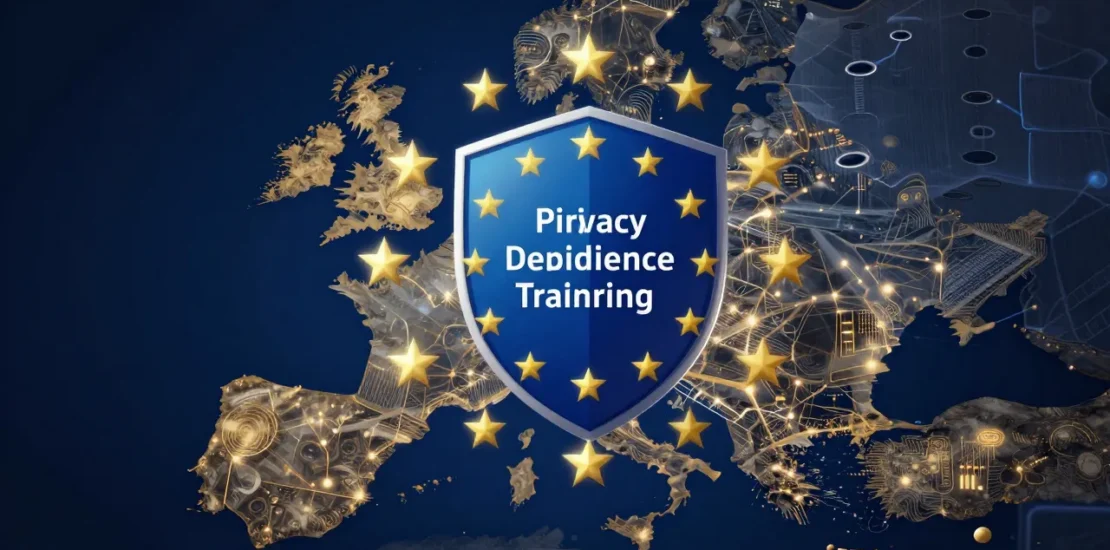
CNIL Recommendations on Applying the GDPR to AI System Development
- April 26, 2026
- Posted by: rob
- Categories: AI & Technology Law, Data Privacy & Cybersecurity
-
EDPB Opinion 28/2024: How GDPR Applies to AI Model Training
- April 20, 2026
- Posted by: rob
- Categories: AI & Technology Law, Data Privacy & Cybersecurity
