
Music Licensing for Businesses: What You Need to Know
- July 17, 2026
- Posted by: allan
- Categories: Business Law, Intellectual Property
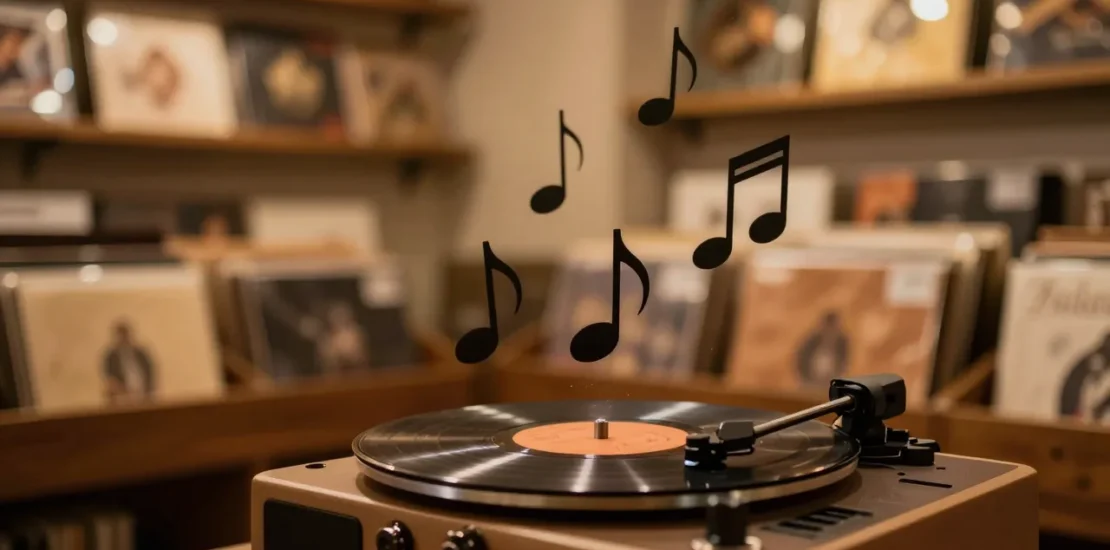
If you play music in your business — in your store, restaurant, bar, gym, hotel, or on your website — you are performing that music publicly within the meaning of copyright law. Public performance of copyrighted music without a license is copyright infringement, regardless of how the music is played (a streaming service, the radio, a CD, or a phone) and regardless of whether you are charging admission or making money directly from the music. This is a point that surprises many small business owners, but the performing rights organizations that collect on behalf of copyright owners actively investigate and pursue unlicensed businesses.
The Two Copyrights in Every Song
Every commercially released song contains two separate copyrights that must be considered for licensing purposes. The musical composition copyright protects the underlying musical work — the melody and lyrics written by the songwriter. The sound recording copyright (also called the master recording copyright) protects the specific recorded performance of the song as recorded by a particular artist. These rights are typically owned by different parties. The musical composition is often owned by the songwriter or their music publisher. The sound recording is typically owned by the record label that produced the recording (or, increasingly, by independent artists who own their masters).
For purposes of playing music in a physical business location, the primary licensing concern is the public performance right in the musical composition. For digital audio transmissions — streaming music over the internet — both the public performance right in the composition and the digital performance right in the sound recording must be licensed.
Performing Rights Organizations
In the United States, public performance rights in musical compositions are administered by performing rights organizations (PROs): ASCAP (the American Society of Composers, Authors and Publishers), BMI (Broadcast Music, Inc.), and SESAC (now also including GMR, Global Music Rights). Songwriters and music publishers affiliate with one of these organizations, which then license public performance rights on their behalf to venues, broadcasters, and other music users.
ASCAP and BMI collectively cover the vast majority of popular music. SESAC and GMR have smaller but significant catalogs including many well-known songwriters. A business that wants to play the full range of popular music needs licenses from all three (or all four, if any desired music is in the GMR catalog). Annual license fees are calculated based on factors like the type of business, the number of locations, the square footage, whether music is live or recorded, and the number of speakers or screens. The fees vary widely — from a few hundred dollars per year for a small business to thousands for a large entertainment venue.
Why Streaming Services Don’t Cover Business Use
This is the most common misconception among small business owners. Personal streaming subscriptions — Spotify, Apple Music, Amazon Music, Tidal — are licensed for personal, non-commercial use only. The license terms of these services explicitly prohibit use in public commercial settings. When a business plays Spotify in its store or restaurant, it is using the service in violation of its license terms — and separately, is publicly performing the music without a PRO license.
Several services are specifically designed and licensed for business use, including Soundtrack Your Brand, Rockbot, Cloud Cover Music, and similar platforms. These services obtain the necessary licenses for background music in commercial settings and often include built-in PRO licensing as part of their subscription fee. Businesses that want to use streaming music legally in customer-facing environments should use a service that is specifically licensed for that purpose.
Background Music vs. Live Music
The distinction between background recorded music and live music matters for licensing purposes. Both require PRO licenses for the public performance of the underlying musical compositions. Live music performances do not require a separate license from the performer (since the performer is the one performing) but do require the venue to hold public performance licenses for the musical compositions being performed. The venue — not the performer — is typically responsible for ensuring the appropriate PRO licenses are in place.
Music in Online Videos and Social Media
Businesses that create videos for YouTube, Instagram, TikTok, or other platforms face additional music licensing complexity. Using a popular song in a promotional video without synchronization rights (the right to synchronize music with visual content) and without the applicable master recording license is copyright infringement. YouTube’s Content ID system will detect licensed music and either monetize the video on behalf of the rights holder or mute it. Neither outcome is good for a business promotion.
The most practical solution for business videos is to use royalty-free music licensed for commercial use through services like Musicbed, Artlist, Epidemic Sound, or similar platforms. These services provide licenses for synchronization and master recording rights for a subscription or per-use fee and are specifically designed for video content creators.
Enforcement
ASCAP, BMI, and SESAC actively enforce their licensing requirements. Representatives regularly visit businesses to determine whether they are playing music without licenses, and all three organizations have brought copyright infringement lawsuits against unlicensed businesses. Statutory damages for copyright infringement can range from $750 to $30,000 per work infringed, and up to $150,000 per work for willful infringement. These potential damages make the cost of licensing — typically a few hundred to a few thousand dollars per year — look very reasonable.
The Bottom Line
Music licensing is a real legal obligation for businesses that play music in customer-facing environments. The practical compliance path is not complicated: contact ASCAP, BMI, and SESAC to understand the applicable license fees for your type of business, obtain licenses from each (or use a music service that bundles those licenses), and use royalty-free music for your video and social media content. The cost of compliance is modest; the cost of a copyright infringement judgment is not.