
Contact Robert Melton, Esq. or submit a business inquiry online.
-
Employee Data Privacy: What Employers Need to Know
- June 5, 2026
- Posted by: allan
- Category: Data Privacy & Cybersecurity
No Comments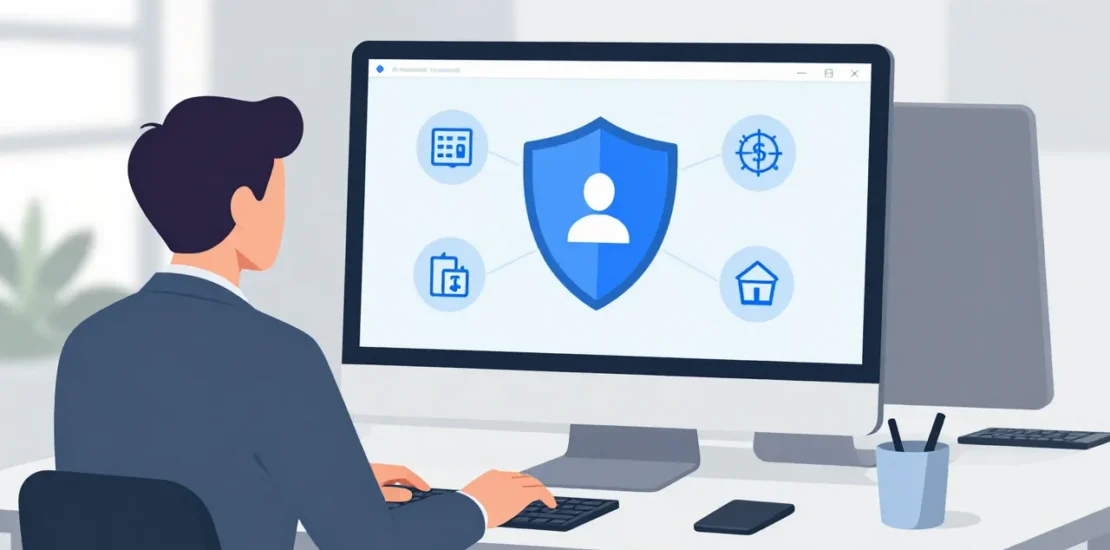
Employees generate enormous amounts of personal data in the workplace — and employers face a growing set of legal obligations around how that data is collected, used, and protected. This guide covers the key employee privacy issues every US employer should understand.
-
Independent Contractor vs Employee: The Legal Difference and Why It Matters
- June 4, 2026
- Posted by: allan
- Category: Business Law
Misclassifying workers as independent contractors when they should be employees is one of the most common and costly legal mistakes small businesses make. This guide explains the legal tests used to determine classification and what the stakes are for getting it wrong.
-
Telehealth and HIPAA: Compliance Requirements for Virtual Healthcare Providers
- June 3, 2026
- Posted by: allan
- Category: Healthcare Law
Telehealth has transformed how healthcare is delivered, but it has also created new HIPAA compliance challenges. This guide explains what virtual healthcare providers must do to protect patient information and comply with federal and state law.
-
State AI Laws in the US: What Businesses Need to Know
- June 2, 2026
- Posted by: allan
- Category: AI Law
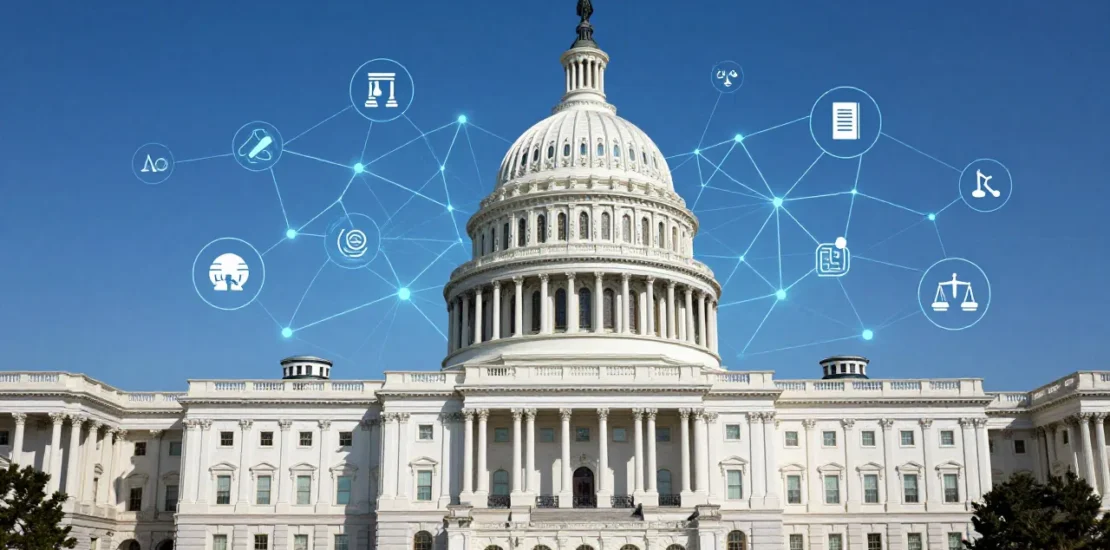
In the absence of a comprehensive federal AI law, states are filling the gap. Colorado, Texas, Illinois, and others have enacted or proposed AI-specific legislation that could affect how your business develops and uses AI systems. Here is what you need to know.
-
IP Assignment Agreements: Why Every Startup Needs One
- June 1, 2026
- Posted by: allan
- Category: Startup Law
Without a proper intellectual property assignment agreement, your startup may not actually own the technology, code, or creative work that is supposed to be its core asset. This guide explains what an IP assignment agreement does and why it is non-negotiable.
- 1
- 2