
Contact Robert Melton, Esq. or submit a business inquiry online.
Blog
-
AI Copyright Output Liability: Who Pays When the Model Infringes?
- August 14, 2026
- Posted by: allan
- Category: Uncategorized
No Comments
When AI-generated content infringes copyright, liability can fall on the model developer, the business deploying the tool, or the end user. This post maps the legal framework, compares vendor indemnification terms, and gives practical steps to reduce your exposure.
-
Getty Images v. Stability AI: What the UK and US Cases Mean for AI Image Developers and Users
- August 13, 2026
- Posted by: allan
- Category: Uncategorized

A detailed breakdown of the Getty Images v. Stability AI litigation in the UK and US — what each court decided, how copyright and trademark law apply to AI image training, and what businesses using AI image tools need to do now.
-
LLM Training Data and Fair Use: What the 2024–2025 Cases Left Unresolved
- August 12, 2026
- Posted by: allan
- Category: Uncategorized
A close look at the key AI copyright cases from 2024–2025 — what they actually decided and, more importantly, what questions about fair use, output infringement, and licensing markets remain unresolved for businesses deploying AI.
-
Generative AI Copyright Liability: The Piracy Problem That Fair Use Won’t Fix
- August 11, 2026
- Posted by: allan
- Category: Uncategorized

The “AI wins on fair use” headlines missed the real story: the same court that blessed AI training on lawfully acquired books ruled that training on pirated copies is infringement — no fair use defense available. This post explains the two-step analysis courts are now applying, what the Anthropic and Meta cases revealed about shadow library use, and what due diligence questions every business deploying AI tools should be asking.
-
Copyright in AI-Generated Content: What Human Authorship Actually Requires
- August 10, 2026
- Posted by: allan
- Category: Uncategorized

Does your business own the content your AI tools generate? Under current US law, the answer depends entirely on how much human creative judgment shaped the final work. This post explains what the Copyright Office and federal courts have established about human authorship requirements, how to structure AI content workflows for stronger protection, and how to document your creative contributions properly.
-
AI Training Data and Copyright: What the 2024-2025 Cases Settled and What They Left Open
- August 9, 2026
- Posted by: allan
- Category: Uncategorized

The 2024–2025 AI training data copyright cases produced the first real legal answers on whether training AI models on copyrighted content is fair use — and the results are split. This post walks through the key rulings in Ross, Kadrey, Bartz, and the music cases, what they settled, and what they left open for businesses building or deploying AI.
-
Agentic AI Liability in Autonomous Decisions: Who Pays When the AI Gets It Wrong
- August 8, 2026
- Posted by: allan
- Category: Uncategorized

When an AI agent autonomously places orders, sends communications, or manages accounts, your business is the principal — and bears the legal consequences. This post examines agency law, negligence doctrine, regulatory guidance, and what agentic AI vendor contracts must contain to protect deploying businesses.
-
When the Algorithm Is the Defect: AI Recommendation Systems and Design Defect Claims
- August 7, 2026
- Posted by: allan
- Category: Uncategorized

A new theory of product liability has emerged and is winning in court: the recommendation algorithm itself is the defective product. This post examines the legal landscape, from the social media MDL to the first jury verdict, and what it means for businesses deploying AI-driven recommendation and personalization systems.
-
Is Your AI a Defective Product? How Product Liability Law Applies to AI Systems
- August 6, 2026
- Posted by: allan
- Category: Uncategorized

Courts are allowing product liability claims against AI developers to proceed, bipartisan federal legislation would classify AI systems as defective products, and the EU has already done so by statute. This post explains the three product liability theories — design defect, manufacturing defect, and failure to warn — and what they mean for businesses that build or deploy AI.
-
Legal Liability for AI Hallucinations in Business Contexts
- August 5, 2026
- Posted by: allan
- Category: Uncategorized

AI hallucinations — confidently wrong outputs from large language models — have triggered court sanctions, professional discipline, and civil liability across legal, medical, and business contexts. This post explains the negligence framework, landmark cases like Mata v. Avianca and Moffatt v. Air Canada, what AI vendor disclaimers actually cover, and what businesses must do to reduce their exposure.
-
Legal Liability for AI Hallucinations in Business Contexts
- August 5, 2026
- Posted by: allan
- Category: Uncategorized

When an AI system fabricates facts and your business acts on them, who bears the legal consequences?
-
AI Chatbot Wrongful Death Litigation: What the First Lawsuits Mean for Developers and Deployers
- August 4, 2026
- Posted by: allan
- Category: Uncategorized

The first wrongful death lawsuits against AI chatbot companies — Garcia v. Character Technologies and Raine v. OpenAI — have produced rulings that treat AI apps as defective products, reject Section 230 as a shield for AI-generated content, and impose heightened duties of care when minors are involved. This post explains what those decisions mean for businesses that build or deploy conversational AI.
-
Website Tracking, AI, and Privacy Class Actions: The New Theories Plaintiffs Are Using
- August 3, 2026
- Posted by: allan
- Category: Uncategorized

Class action plaintiffs are using decades-old wiretapping and video privacy statutes to target businesses that deploy session replay tools, tracking pixels, and AI-powered analytics. This post maps the legal theories, key cases, circuit splits, and practical compliance steps every business with a website should understand.
-
The Lawsuit You Didn’t See Coming: AI Class Action Exposure from Routine Deployment Decisions
- August 2, 2026
- Posted by: allan
- Category: Uncategorized
Routine technology decisions — deploying chatbots, session replay tools, tracking pixels, and behavioral analytics — have become the basis for class action lawsuits under CIPA, VPPA, BIPA, and Washington’s MHMDA. This post explains the legal theories driving these cases, which deployment decisions carry the most risk, and what practical steps businesses can take to reduce exposure.
-
Mid-Year Legal Checkup: 12 Legal Tasks Every Business Should Complete
- August 1, 2026
- Posted by: allan
- Category: Business Law

The midpoint of the year is the ideal time to review your business’s legal health. Here are 12 practical legal tasks every US business owner should complete before year-end to reduce risk and stay compliant.
-
AI Chatbots and Wiretapping Laws: When Your Customer Service Bot Triggers CIPA and the Federal Wiretap Act
- August 1, 2026
- Posted by: allan
- Category: Uncategorized

If your business uses an AI chatbot on its website, you may be sitting inside an active litigation target. Learn how CIPA and the Federal Wiretap Act apply to AI customer service deployments, what the ConverseNow case means for your business, and how to structure compliant consent and vendor agreements.
-
Franchise Law: Key Legal Considerations Before You Buy or Sell a Franchise
- July 31, 2026
- Posted by: allan
- Category: Business Law

Franchising offers a proven business model, but the legal framework is complex. Before buying or selling a franchise, here is what you need to know about FDDs, franchise agreements, state law, and your legal rights.
-
Letters of Intent in Business Transactions: What They Mean Legally
- July 30, 2026
- Posted by: allan
- Category: Business Law

Letters of intent are common in business deals, but their legal effect is widely misunderstood. Learn when an LOI is binding, what provisions carry legal weight, and how to protect yourself before signing.
-
Workplace Drug Testing: Legal Framework for US Employers
- July 29, 2026
- Posted by: allan
- Category: Employment Law

Workplace drug testing is legally complex, shaped by federal and state law, the ADA, and evolving marijuana regulations. Here is what US employers need to know to build a lawful and effective policy.
-
ERISA and Retirement Plans for Small Business Owners: What You Need to Know
- July 28, 2026
- Posted by: allan
- Category: Tax & Compliance

ERISA sets strict rules for employer-sponsored retirement plans. Learn how small business owners can choose the right plan, meet fiduciary obligations, and avoid costly compliance mistakes.
-
Business Contracts with the Federal Government: FAR Basics for Small Businesses
- July 27, 2026
- Posted by: allan
- Categories: Business Law, Tax & Compliance
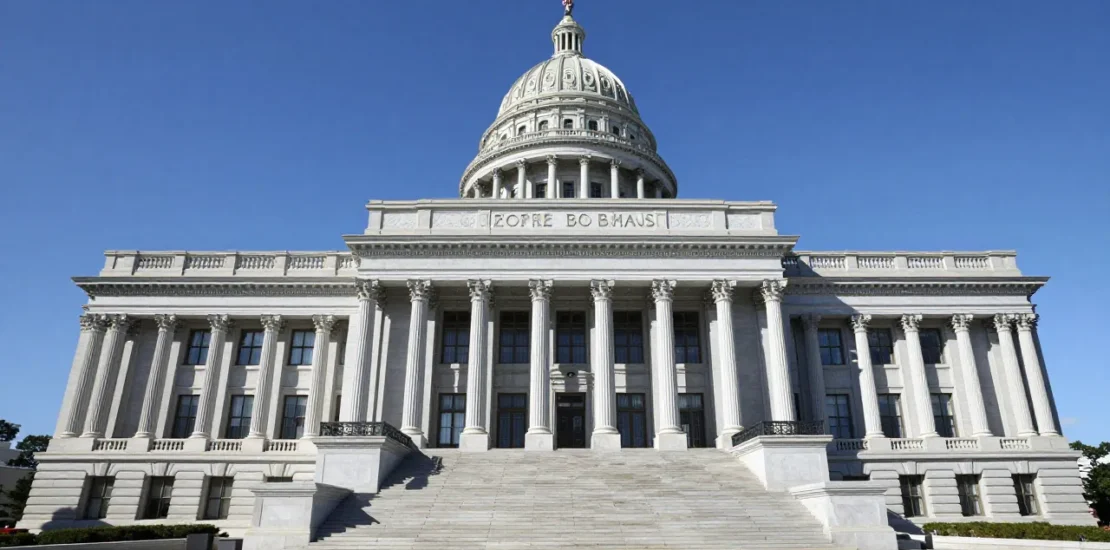
Federal government contracting offers significant revenue opportunities for small businesses — and comes with a complex set of regulations called the Federal Acquisition Regulation. This guide explains how government contracting works, what small businesses need to know about FAR requirements, and how to qualify for small business set-asides.
-
Commercial Real Estate Leases: Key Legal Provisions for Business Tenants
- July 26, 2026
- Posted by: allan
- Category: Business Law

A commercial lease is typically one of the most significant long-term financial commitments a small business makes. Unlike residential leases, commercial leases are governed almost entirely by contract rather than protective statutes. This guide explains the key provisions every business tenant must understand before signing.
-
Intellectual Property Audit: A Practical Checklist for Small Business Owners
- July 25, 2026
- Posted by: allan
- Categories: Business Law, Intellectual Property
Most small businesses own more intellectual property than they realize — and protect less of it than they should. An IP audit is the process of identifying, assessing, and protecting your company’s IP assets. This guide explains how to conduct one and what to do with the results.
-
Mechanic’s Liens: What Contractors and Property Owners Need to Know
- July 24, 2026
- Posted by: allan
- Category: Business Law

Mechanic’s liens give contractors, subcontractors, and suppliers who improve real property a security interest in that property if they are not paid. This guide explains how mechanic’s liens work, the strict deadlines that govern them, and what both contractors and property owners must do to protect themselves.
-
Business Succession Planning: Legal Essentials for Business Owners
- July 22, 2026
- Posted by: allan
- Categories: Business Formation, Business Law

Every business owner will eventually leave their business — through sale, retirement, disability, or death. Business succession planning is the process of ensuring that transition is orderly, tax-efficient, and aligned with the owner’s goals. This guide covers the legal tools and key decisions every owner should address.