
Contact Robert Melton, Esq. or submit a business inquiry online.
Blog
-
Operating Agreements: What Every LLC Owner Must Know
- June 26, 2026
- Posted by: allan
- Categories: Business Formation, Business Law
No Comments
An LLC operating agreement is the foundational document that governs how the business is run, how profits are split, and what happens when a member leaves or dies. Without one, state default rules — often ill-suited to your situation — apply. This guide explains what every operating agreement must address.
-
LLC vs. S-Corp vs. C-Corp: Choosing the Right Business Structure
- June 25, 2026
- Posted by: allan
- Categories: Business Formation, Business Law

Choosing the right business structure is one of the most consequential early decisions a business owner makes. LLCs, S-corporations, and C-corporations each offer distinct advantages and disadvantages in terms of liability protection, taxation, and governance. This guide explains the key differences.
-
Copyright Basics for US Business Owners
- June 24, 2026
- Posted by: allan
- Categories: Business Law, Intellectual Property

Copyright protects original creative works automatically upon creation — but registration is required to sue for infringement and recover meaningful damages. This guide explains what copyright protects, what it does not, how registration works, and what business owners need to know about using others’ content.
-
Trademark Registration: A Step-by-Step Guide for Business Owners
- June 23, 2026
- Posted by: allan
- Categories: Business Law, Intellectual Property

Your brand name, logo, and tagline may be your most valuable business assets. Trademark registration with the USPTO gives you nationwide protection and the legal tools to stop infringers. This guide explains how the registration process works and what business owners need to know.
-
Trade Secret Protection for Startups and Growing Businesses
- June 22, 2026
- Posted by: allan
- Categories: Business Law, Intellectual Property

Trade secrets are often a company’s most valuable asset — and the most easily stolen. This guide explains what qualifies as a trade secret, how federal and state law protects them, and what businesses must do to preserve that protection.
-
How to Terminate an Employee Legally: A Guide for US Business Owners
- June 21, 2026
- Posted by: allan
- Category: Employment Law
Employee terminations are one of the highest-risk moments in the employment relationship. This guide walks through how to conduct a legally defensible termination — from pre-termination review to final pay, severance, and documentation.
-
FMLA Compliance: A Guide for Small Business Employers
- June 20, 2026
- Posted by: allan
- Category: Employment Law

The Family and Medical Leave Act gives eligible employees the right to take up to 12 weeks of unpaid, job-protected leave per year. This guide explains which employers are covered, what leave qualifies, and what obligations apply when an employee requests FMLA leave.
-
Wage and Hour Law Compliance for Small Businesses
- June 19, 2026
- Posted by: allan
- Category: Employment Law

Wage and hour violations are among the most common — and most expensive — employment law mistakes small businesses make. This guide explains what the Fair Labor Standards Act requires, how overtime exemptions work, and what employers must do to stay compliant.
-
Independent Contractor vs. Employee: How to Classify Workers Correctly
- June 18, 2026
- Posted by: allan
- Category: Employment Law

Misclassifying workers as independent contractors instead of employees is one of the most expensive mistakes a US business can make. This guide explains the major classification tests — IRS, FLSA, and state ABC tests — and what business owners must do to get classification right.
-
Non-Compete Agreements: What US Employers Need to Know in 2026
- June 17, 2026
- Posted by: allan
- Category: Employment Law

Non-compete agreements have undergone dramatic changes at both the federal and state levels. This guide explains where non-competes stand in 2026, which states ban them outright, how courts evaluate enforceability, and what employers should include — or avoid — when drafting restrictive covenants.
-
At-Will Employment: What US Business Owners Need to Know
- June 16, 2026
- Posted by: allan
- Category: Employment Law

At-will employment is the default rule in almost every US state — but it comes with important exceptions that trip up employers every year. This guide explains what at-will employment actually means, which exceptions apply in your state, and what business owners must do to preserve the at-will relationship.
-
Generative AI in the Workplace: Legal Considerations for Employers
- June 15, 2026
- Posted by: allan
- Categories: AI Law, Business Law

Employees are using generative AI tools at work whether or not their employers have policies about it. This guide explains the legal risks employers face when employees use generative AI and what workplace AI policies should address.
-
Cap Tables Explained: A Guide for Startup Founders
- June 14, 2026
- Posted by: allan
- Category: Startup Law
A capitalization table — or cap table — is the central record of who owns what in your startup. Understanding your cap table, how it changes with each financing, and how it affects your eventual return is fundamental knowledge for every founder.
-
E-Commerce Legal Requirements: What Online Businesses Need to Know
- June 12, 2026
- Posted by: allan
- Category: Business Law
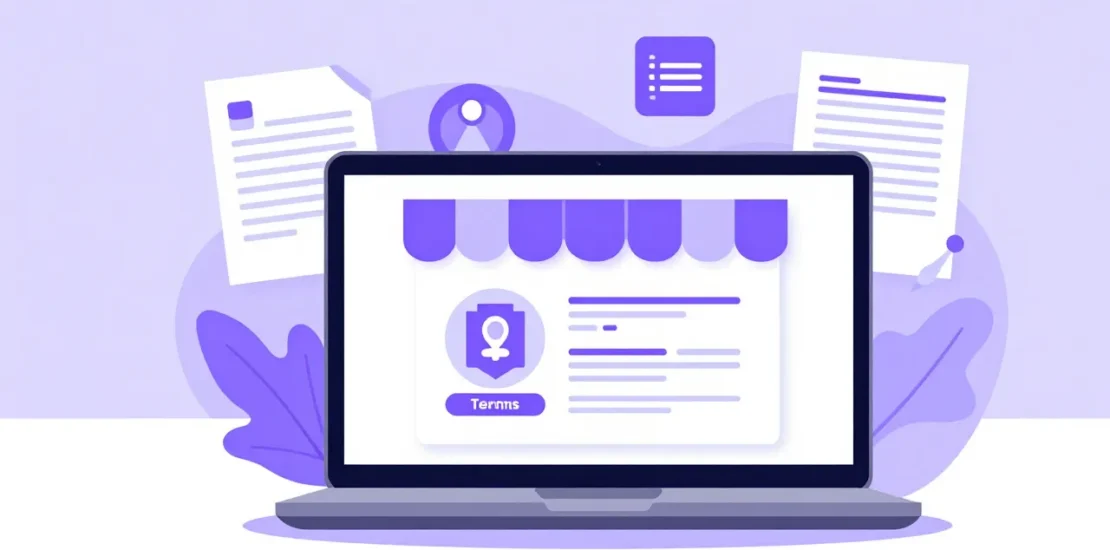
Running an online store involves legal obligations that go well beyond simply having a website. This guide covers the essential legal requirements for US e-commerce businesses, from terms of service to consumer protection compliance.
-
Convertible Notes vs SAFE Agreements: Startup Financing Basics
- June 10, 2026
- Posted by: allan
- Category: Startup Law
Convertible notes and SAFE agreements are the two most common instruments for raising early-stage startup capital. This guide explains how each works, what the key terms mean, and how founders should think about choosing between them.
-
Data Breach Notification Laws: A State-by-State Guide for Small Businesses
- June 9, 2026
- Posted by: allan
- Category: Data Privacy & Cybersecurity
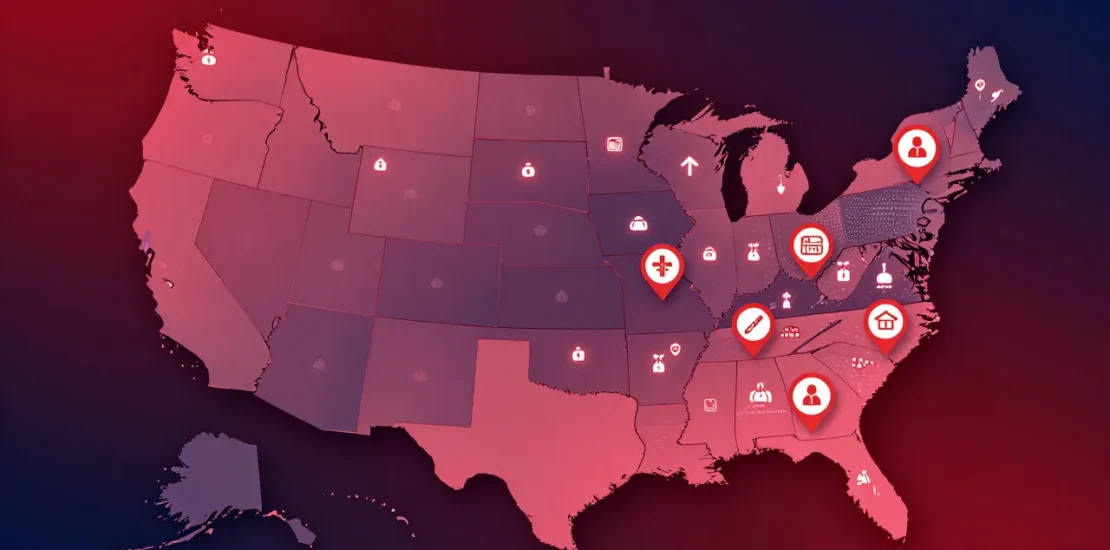
Every US state has a data breach notification law, and they are not the same. When your business experiences a data breach, understanding which states require notification — and how quickly — can mean the difference between orderly compliance and costly violations.
-
HIPAA for HR: Managing Employee Health Information
- June 8, 2026
- Posted by: allan
- Category: Healthcare Law

HR departments handle sensitive employee health information every day, but HIPAA does not apply to most employment-related health data the way many people assume. This guide clarifies when HIPAA applies, when state law governs instead, and how employers should handle employee medical information.
-
Business Partnership Agreements: What Every Business Owner Should Know
- June 7, 2026
- Posted by: allan
- Category: Business Law

A business partnership without a written partnership agreement is a recipe for future conflict. This guide explains what partnership agreements cover, why they matter, and what provisions every small business partnership needs to address.
-
AI in Healthcare: HIPAA, FDA Oversight, and Legal Considerations
- June 6, 2026
- Posted by: allan
- Categories: AI Law, Healthcare Law

Artificial intelligence is transforming healthcare delivery, clinical decision-making, and administrative operations — but it also creates a complex legal environment. This guide explains the key legal frameworks that govern AI in healthcare, including HIPAA, FDA regulation, and liability.
-
Employee Data Privacy: What Employers Need to Know
- June 5, 2026
- Posted by: allan
- Category: Data Privacy & Cybersecurity

Employees generate enormous amounts of personal data in the workplace — and employers face a growing set of legal obligations around how that data is collected, used, and protected. This guide covers the key employee privacy issues every US employer should understand.
-
Independent Contractor vs Employee: The Legal Difference and Why It Matters
- June 4, 2026
- Posted by: allan
- Category: Business Law
Misclassifying workers as independent contractors when they should be employees is one of the most common and costly legal mistakes small businesses make. This guide explains the legal tests used to determine classification and what the stakes are for getting it wrong.
-
Telehealth and HIPAA: Compliance Requirements for Virtual Healthcare Providers
- June 3, 2026
- Posted by: allan
- Category: Healthcare Law
Telehealth has transformed how healthcare is delivered, but it has also created new HIPAA compliance challenges. This guide explains what virtual healthcare providers must do to protect patient information and comply with federal and state law.
-
State AI Laws in the US: What Businesses Need to Know
- June 2, 2026
- Posted by: allan
- Category: AI Law
In the absence of a comprehensive federal AI law, states are filling the gap. Colorado, Texas, Illinois, and others have enacted or proposed AI-specific legislation that could affect how your business develops and uses AI systems. Here is what you need to know.
-
IP Assignment Agreements: Why Every Startup Needs One
- June 1, 2026
- Posted by: allan
- Category: Startup Law
Without a proper intellectual property assignment agreement, your startup may not actually own the technology, code, or creative work that is supposed to be its core asset. This guide explains what an IP assignment agreement does and why it is non-negotiable.